
 en
en Việt Nam
 中文
中文 日本語
日本語 한국인
한국인 VIE
VIEI. What Is Paella? The Origins of Paella
What is Paella? It is a traditional Spanish mixed rice dish cooked in a distinctive wide, shallow, flat bottomed pan. The name "Paella" originates from the Latin word "patella", meaning "pan", which refers to the very cooking vessel that gives this dish its unmistakable identity. The essential ingredients of Paella include short grain rice, typically Bomba or Calasparra, saffron for its signature golden colour, olive oil, rich stock, and fresh ingredients that vary according to each regional version.
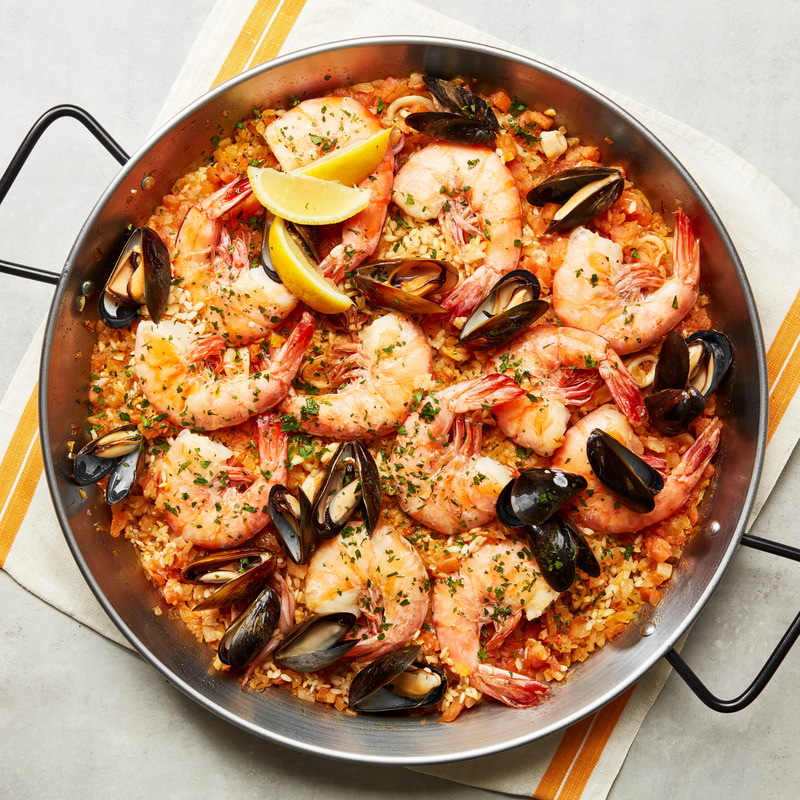
Paella is closely associated with Valencia, a coastal city in eastern Spain. This is where the Moors introduced rice cultivation more than 1,200 years ago, transforming Valencia into one of the country's most important rice growing regions.
During the 15th and 16th centuries, as rice became increasingly popular, farmers began cooking Paella right in the fields, adding whatever ingredients were readily available, such as snails, beans, and tomatoes, occasionally incorporating rabbit or chicken for special occasions.
By the late 19th century, Paella had travelled beyond Valencia and spread throughout Spain. In 1840, a Paella recipe appeared in print for the first time, helping this humble countryside dish enter the nation's culinary heritage. From a pan cooked in the middle of rice fields, Paella gradually became a symbol of an entire culture.
II. Popular Types of Paella
Today, Paella is a collective name for more than 200 variations of rice dishes found throughout Spain, with each region offering its own distinctive style. Below are some of the most widely loved versions.
- Paella Valenciana - The Traditional Original: This is the oldest and most authentic version, first appearing in an 18th century manuscript. Paella Valenciana is prepared with chicken, rabbit, green beans, white beans, and tomatoes, all brought together with chicken stock and olive oil. Its rustic and hearty flavour faithfully reflects the rural origins of the dish.
- Paella de Marisco - Seafood Paella: Born in the coastal regions of Valencia, this is one of the most popular versions among international travellers. Shrimp, lobster, squid, clams, and mussels are cooked together with rice in a deeply flavoured seafood stock and are often enjoyed during the summer. Traditionally, the seafood is served in its shell to preserve its natural sweetness, while the more refined shell free version is known as *paella del senyoret*.
- Paella Mixta - Mixed Paella: Combining meat and seafood, this is one of the most widely enjoyed types of Paella around the world. Paella Mixta brings together two worlds of flavour, making it an ideal choice for those who want to experience a complete range of tastes in a single pan.
- Paella Negra - Black Squid Ink Paella: A visually striking version, Paella Negra is distinguished by its deep black colour created by squid ink. It offers a rich, complex, and distinctive flavour, making it a perfect choice for diners who enjoy discovering something different.
- Paella de Verduras - Vegetarian Paella: A modern variation for vegetarian diners, this version features bell peppers, peas, artichokes, mushrooms, and seasonal vegetables. Despite containing no meat or seafood, vegetarian Paella retains its vibrant golden colour and depth of flavour thanks to saffron and sofrito, the aromatic base mixture that helps define the soul of many Paella varieties.
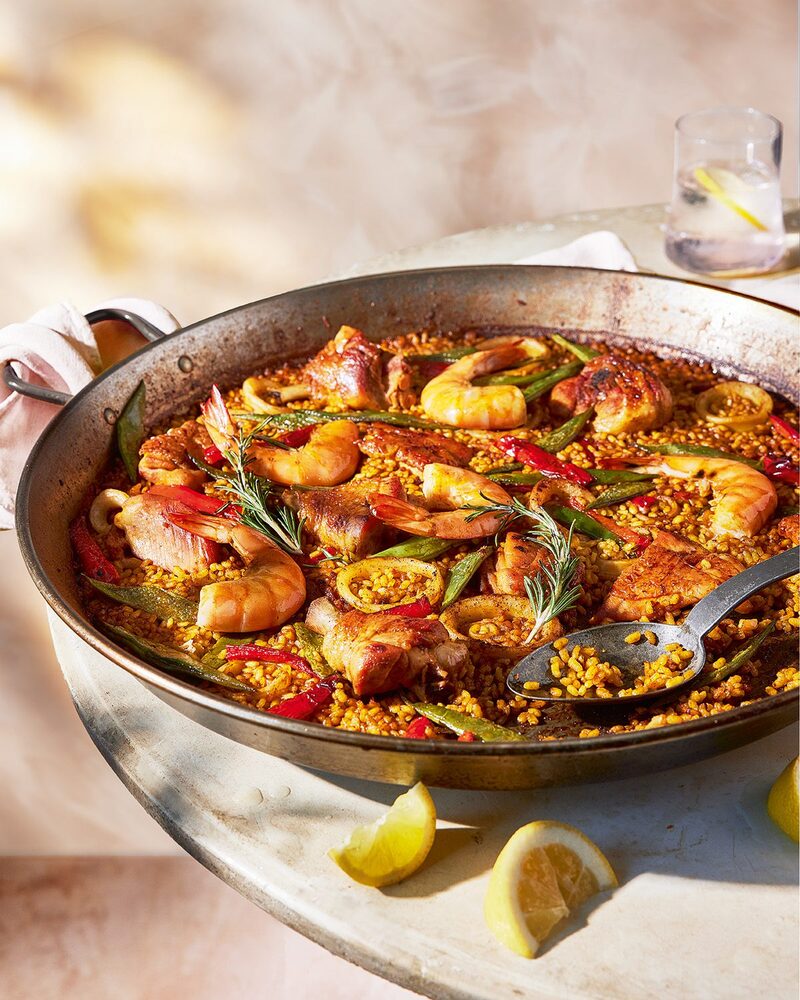
Paella Mixta is one of the most popular types of Paella worldwide.
III. The Cultural Significance of Paella
For Spaniards, eating and enjoying Paella is a deeply rooted social ritual that has been woven into everyday life for centuries. In Spanish culture, Paella is closely associated with moments of togetherness, from weekend family meals and local festivals to outdoor gatherings shared among friends. A giant Paella pan, sometimes measuring more than one metre in diameter, is placed in the centre of the table for everyone to share directly, creating a warm and intimate atmosphere of connection that few other styles of dining can replicate.
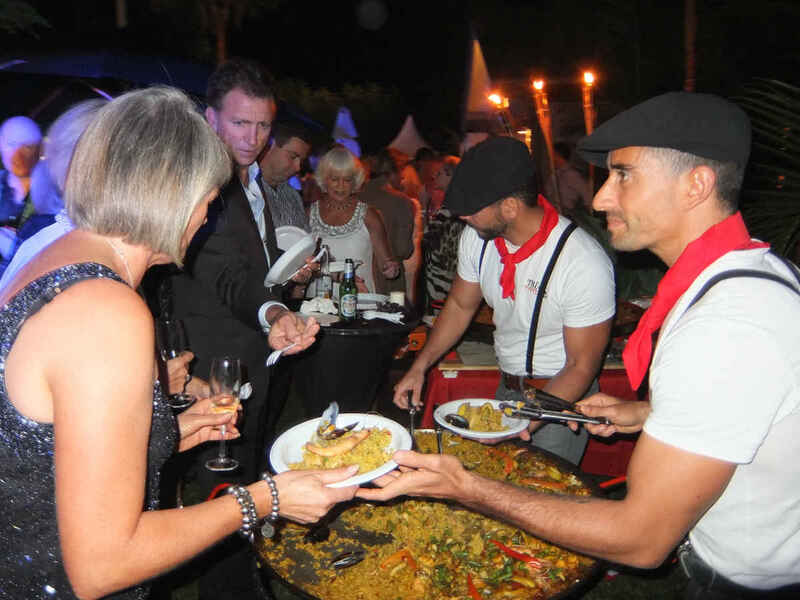
Paella is deeply connected to Spanish life and culture.
People in Valencia believe that the best part of Paella is not the rice on top, but the golden, crispy layer of rice that forms along the bottom of the pan, known as socarrat. This is the layer that absorbs the rich stock and seasonings, becoming slightly crisp, lightly caramelised, and arguably the most flavourful part of the entire pan. Many first time diners accidentally overlook this special layer until a local points out that they have been missing one of the best parts of the dish.
The cultural significance of Paella is further celebrated through community events around the world. Every year on 20 September, people celebrate World Paella Day, a testament to the global influence of a dish that was once cooked in the middle of rice fields. In Galicia, the annual Paella King competition searches for the finest Paella chef and awards the coveted title of "Paella King", demonstrating that this is far more than simply food. It is an art form passed down through generations.
From preparing the ingredients and standing beside the fire to sharing the first spoonfuls together, Paella represents an entire journey of shared experiences rather than simply the final dish served on a plate.
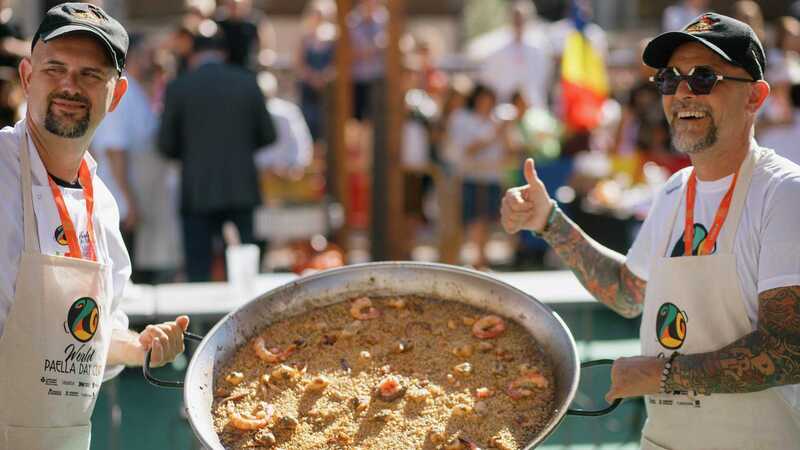
World Paella Day
IV. Experiencing Paella at Anmira Hoi An Village of Arts & Culture: A Refined Encounter Between Hoi An Heritage and Mediterranean Gastronomy
If you are looking for an opportunity to savour this legendary rice dish at its finest, the elegant poolside setting at Anmira Hoi An is a destination not to be missed. Following the flow of cultural exchange, the upcoming "From Marbella to Hoi An" event will take place at LAM Kitchen. During this special cultural dining evening, the Gastronomy experience will be elevated through the time honoured traditions of Spanish cuisine , harmoniously blended with the rustic local produce of Hoi An, all accompanied by a vibrant DJ soundtrack.
Exclusive Flavours Through a Diverse Culinary Collaboration
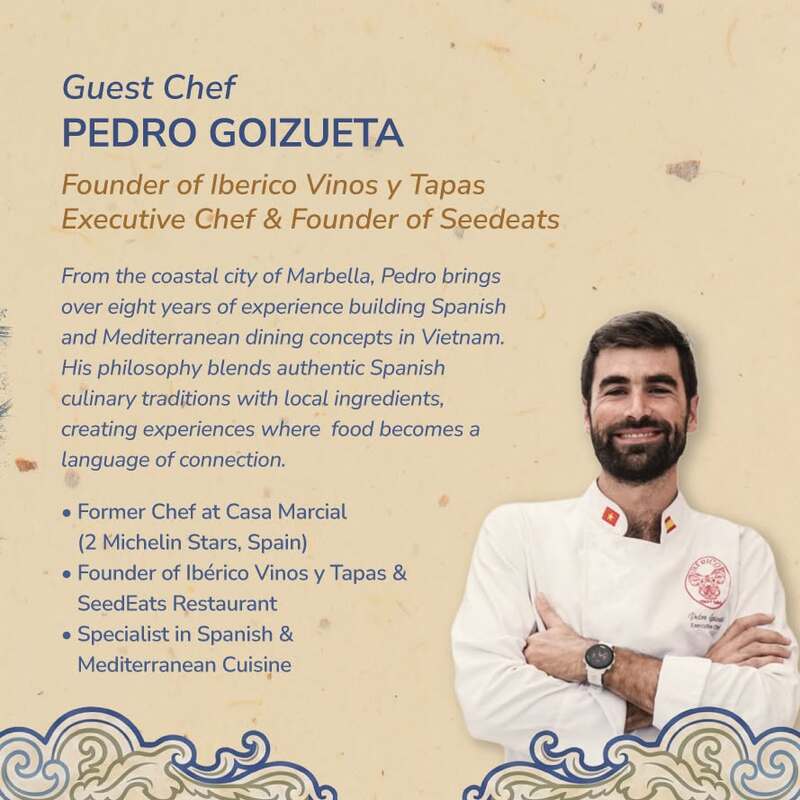
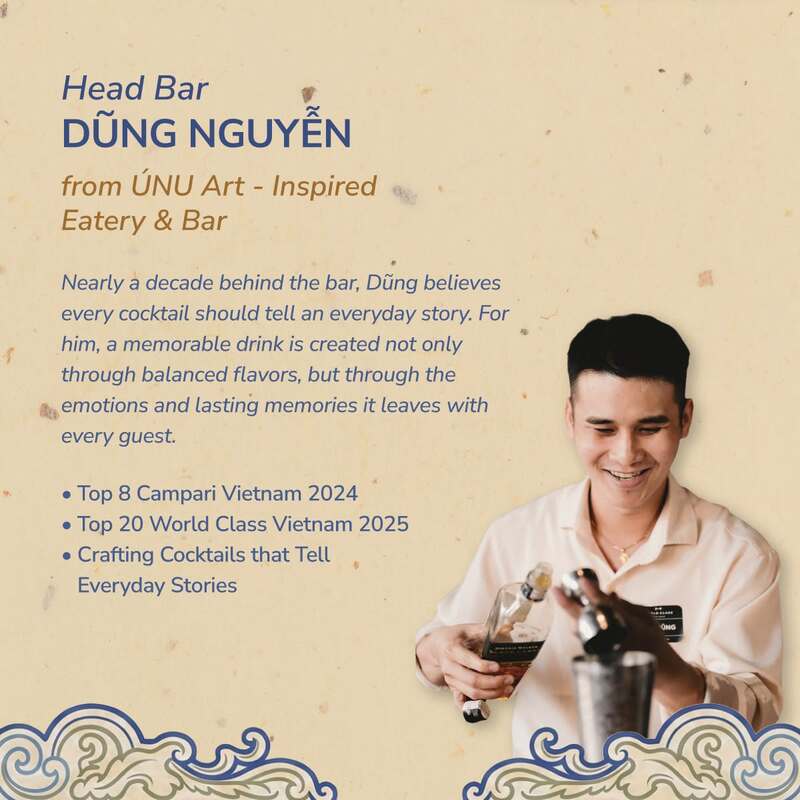
The evening is a one of a kind collaboration between guest chef Mr. Pedro, founder of Iberico Vinos & Tapas and SeedEats, Head Bar Dũng Nguyễn from ÚNU Eatery, and LAM Kitchen. One of the signature highlights of the programme will be an impressive presentation of traditional Paella .
 |
 |
Under the creative vision of the chef, fragrant rice will absorb rich stock and the luxurious golden hue of saffron, before being cooked together with fresh seasonal produce and seafood caught locally in Hoi An on the same day. This harmonious combination creates an exciting sensory experience, allowing diners to discover familiar flavours from the local land through an entirely new Mediterranean style of dining.
Detailed Information About the "From Marbella to Hoi An" Event
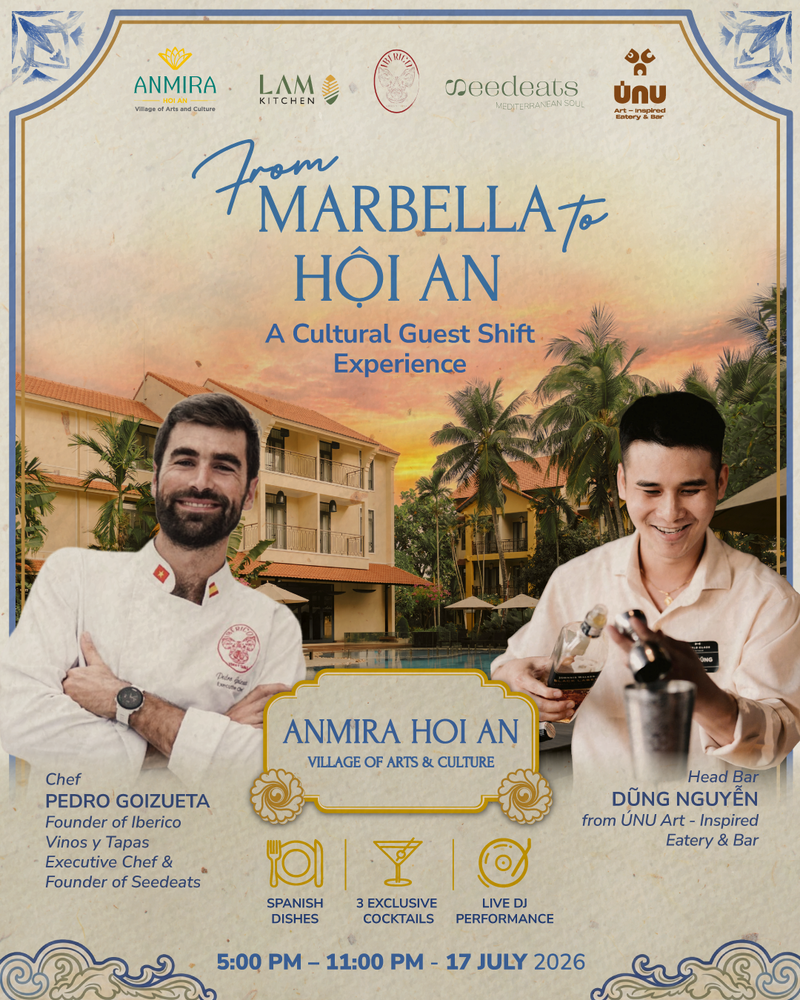
This special culinary journey will take place for a limited time. Guests can refer to the details below and plan their visit:
✨ Time: 05:00 PM – 11:00 PM | Friday, 17 July 2026
📍 Location: LAM Kitchen, located within Anmira Hoi An Village of Arts & Culture
🎟️ Ticket Price: 1,200,000++ VND per guest
🍽️ The experience includes:
- A refined Welcome Drink with Làng Spirit
- An exclusive menu created by guest chef Pedro Goizueta,
- Three special cocktails crafted by guest bartender Dũng Nguyễn
🎶 Atmosphere: A perfect harmony of food, drinks, and vibrant DJ beats.
V. FAQs
1. What is the best way to enjoy Paella?
Paella is often best enjoyed with a light squeeze of fresh lemon, which helps balance the richness of the dish while bringing out the natural flavours of seafood. It can also be paired with a simple green salad or a glass of white wine to elevate the overall dining experience.
2. What is the biggest difference between Paella and Italian Risotto?
The key difference lies in the texture of the rice and the cooking technique. When preparing Risotto, chefs continuously stir the rice to release its starch, creating a smooth and creamy consistency. In contrast, Paella should never be stirred throughout the cooking process. This allows the rice to remain separate and relatively dry while forming the signature golden, crispy layer known as socarrat at the bottom of the pan.
3. Can Paella be prepared at home?
Yes. Paella can certainly be prepared at home as long as you have a wide pan, or a regular pan if necessary, along with suitable rice and basic ingredients such as seafood, chicken, and vegetables.
4. Can guests who are not staying at Anmira Hoi An attend the Guestshift evening?
Yes. The evening is open to all local diners and visitors who share a passion for gastronomy. You do not need to be a resort guest to join and enjoy this special experience.
5. Is there a limit to the number of guests attending the Guestshift evening at LAM Kitchen?
Yes. To ensure the highest level of care throughout the service and preserve the intimate and refined experience for every guest, seating for the evening on 17 July 2026 is limited. We recommend contacting Anmira Hoi An early to make your reservation and secure your preferred table.
----------
Contact Information
Anmira Hoi An Village of Arts & Culture
Address: 276 Cua Dai Street, Da Nang City, Vietnam
Tel: +84 235 3923 999
Email: reservations@anmiraresort.com
Website: https://anmiraresort.com/