
 en
 Việt Nam
 中文
 日本語
 한국인
 VI
Discover the Architectural Beauty of Hoi An Through Different Perspectives
The architecture of Hoi An Ancient Town is one of its most captivating subjects for photography. Traditional houses with tiled roofs, iconic yellow walls, wooden doors, and narrow passageways create fascinating layers of space, color, and architectural details. Rather than focusing solely on wide-angle shots, try experimenting with different perspectives and highlighting individual details to create photographs with greater depth and character.
Ancient Tiled Roofs – Traces of Time in Every Detail
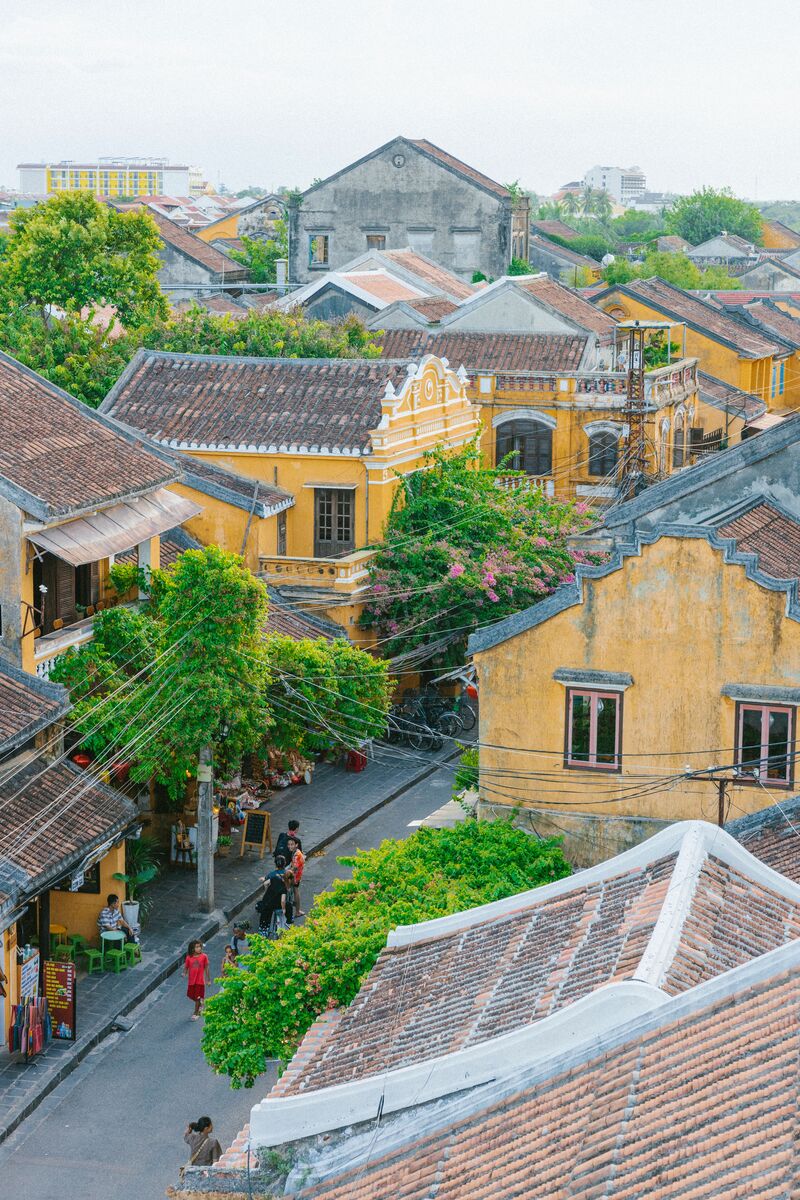
Photo: Hong Son / Pexels
Layers of traditional tiled roofs create the distinctive architectural character of Hoi An Ancient Town.
Map:
The traditional yin-yang roof tiles, with their distinctive reddish-brown hues, are among the most recognizable features of Hoi An's architecture. Over time, their colors gradually deepen, while patches of green moss appear on the surface, lending a rustic, timeworn charm to the rows of historic houses throughout the Ancient Town.
To capture these architectural details, try positioning your camera at a low angle and pointing the lens upward, using the gently curved rooflines as a focal point against the sky. If you have the opportunity to photograph from an elevated viewpoint, experiment with capturing the overlapping layers of rooftops stretching into the distance. The repetition of architectural lines creates a harmonious composition and adds a sense of depth to your photographs.
A useful photography tip is to choose the soft sunlight of early morning or late afternoon. The angled light enhances the texture of individual roof tiles while creating natural contrasts of light and shadow, bringing out the character and intricate details of Hoi An's traditional architecture.
Yellow Walls and Wooden Doors – The Signature Color Palette of Hoi An Ancient Town
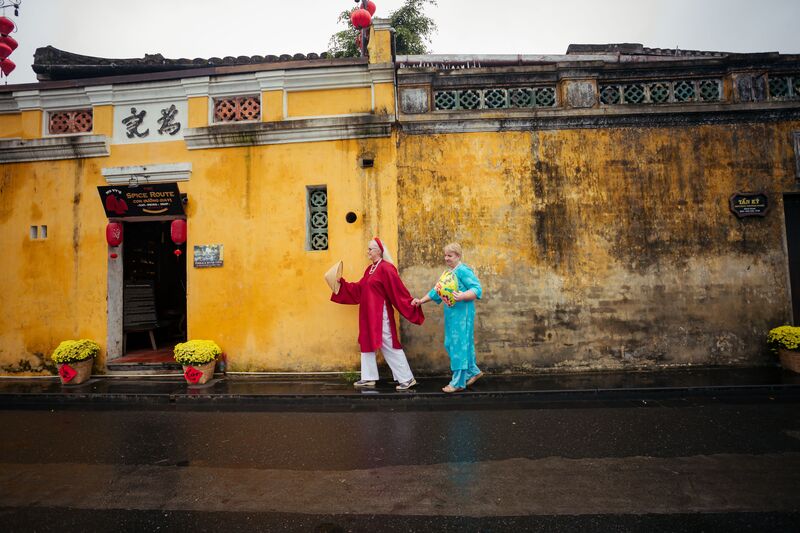
Photo: Vo Van Tien / Pexels
The iconic yellow walls and weathered wooden doors create the familiar color palette of Hoi An Ancient Town
Map:
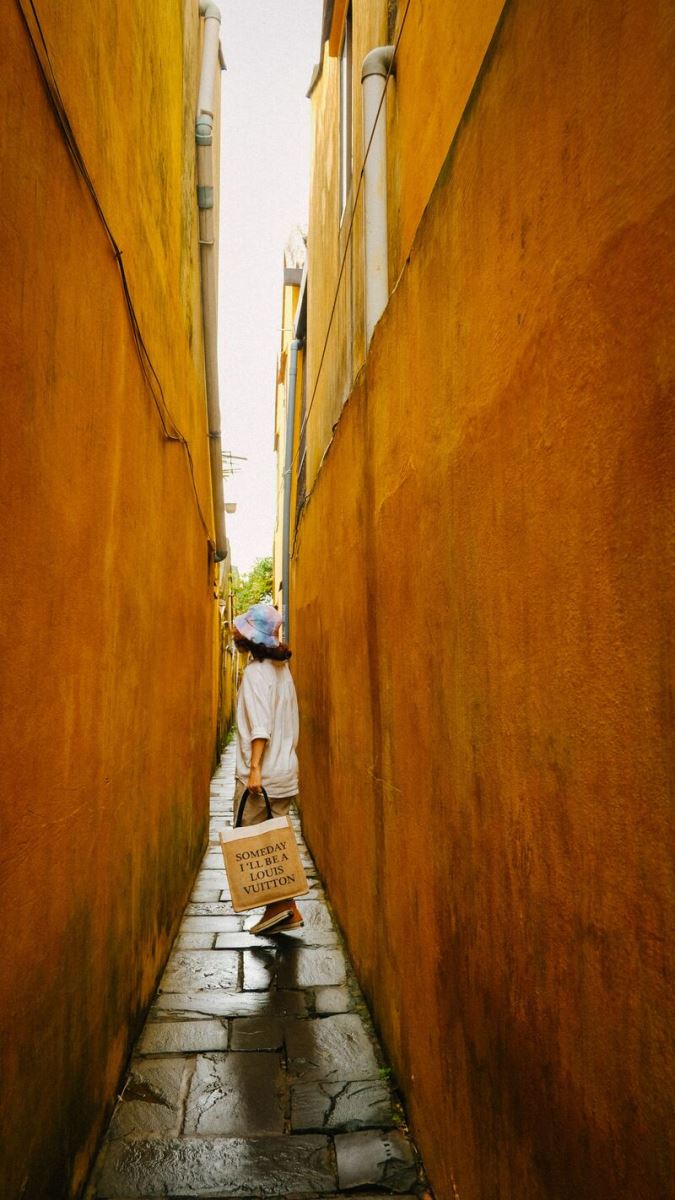
Photo: Dương Nhân / Pexels
The narrow alleyways of Hoi An offer charming everyday perspectives and a beautiful sense of depth
Map:
Photo: Vo Van Tien / Pexels
Choosing the Best Lighting Conditions to Capture the Beauty of Hoi An
Lighting is one of the most important elements in photography, capable of completely transforming the mood and atmosphere of an image. The same street, photographed from the same angle at different times of day, can reveal entirely different moods and visual characteristics. If you want to capture natural-looking photographs with depth and character, consider exploring Hoi An during the following three periods of the day.
Early Morning from 6:00 AM to 8:00 AM: Hoi An in the First Light of Day
Early morning is an ideal time to explore Hoi An in its peaceful atmosphere. As the sun begins to rise, the light is usually soft and gentle, creating favorable conditions for photographing architecture, streetscapes, and the first moments of daily life.
This is the perfect time to wander through narrow alleyways, stroll past rows of historic houses, or find an open viewpoint to capture traditional tiled rooftops against the clear morning sky. The streets are generally less crowded, allowing you to compose your shots more freely and minimize unwanted distractions in the frame.
Suggested photography subjects: Traditional tiled rooftops, historic house facades, iconic yellow walls, narrow alleyways, and authentic moments of local daily life.
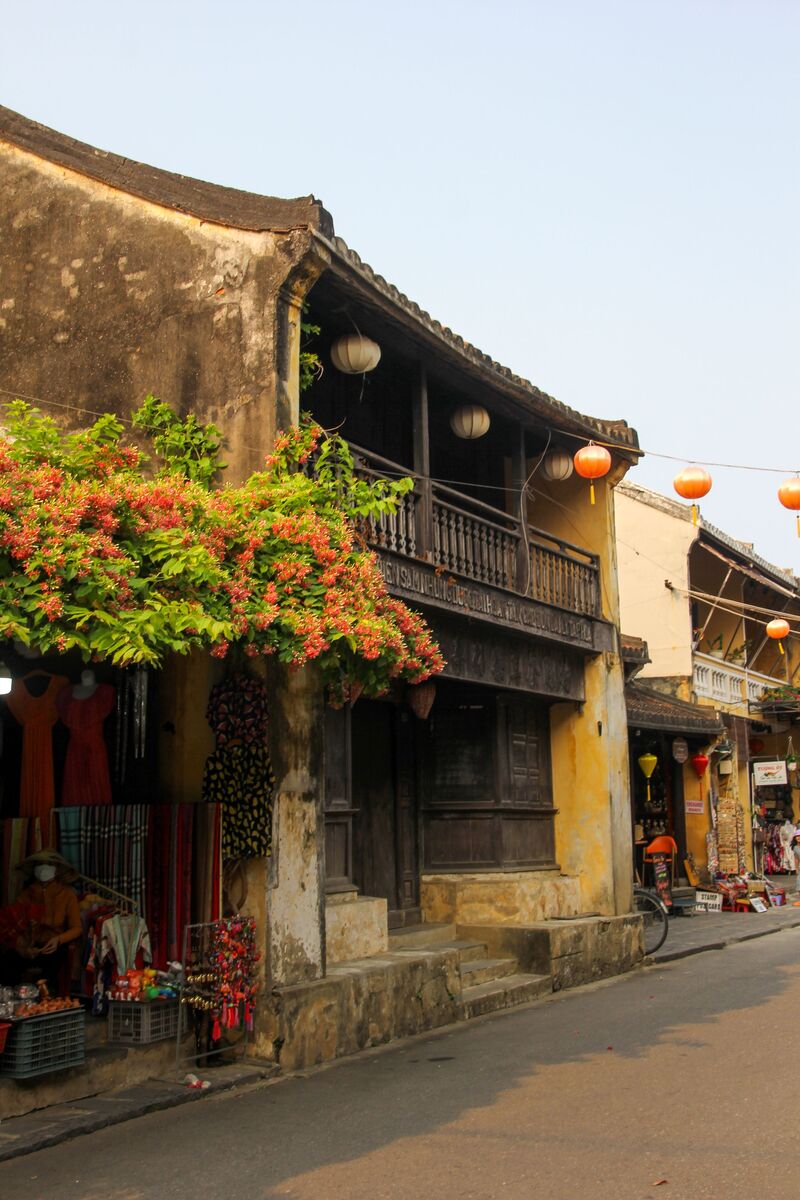
Photo: Nhavantuonglai / Pexels
The gentle morning sunlight falls softly across the rooftops of Hoi An Ancient Town
Late Afternoon from 3:30 PM to 5:30 PM: Golden Sunlight Over the Ancient Town
As the sun gradually descends, the light becomes warmer and softer. Hoi An's iconic yellow walls, wooden doors, and weathered eaves are bathed in a gentle golden glow, creating the distinctive atmosphere that makes the Ancient Town so captivating.
This time of day is particularly suitable for portrait photography, architectural shots, and compositions that play with light and shadow. Try photographing from an angle that follows the direction of the sunlight to highlight architectural textures, or experiment with gentle backlighting to create a soft rim of light around your subject.
Suggested photography subjects: Sunlit yellow walls, shaded eaves, traditional wooden doors, blooming bougainvillea, and charming street corners illuminated by angled afternoon sunlight.
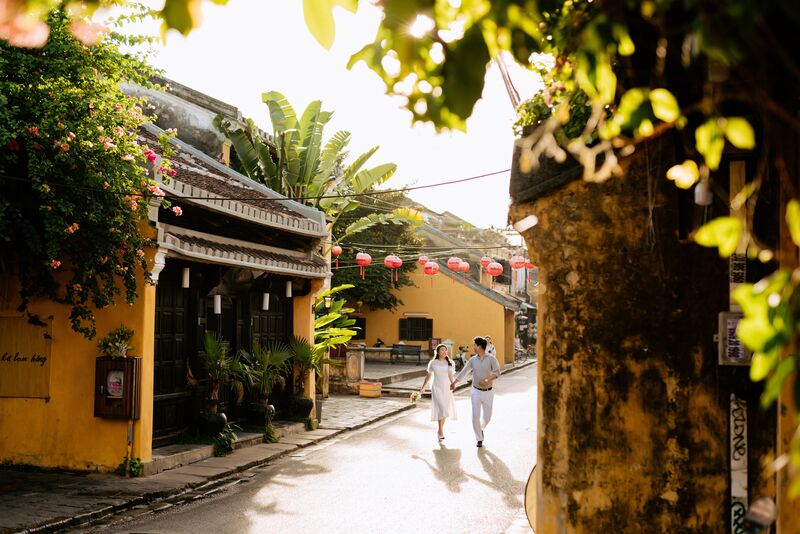
Photo: Tran Long / Pexels
Evening from 6:00 PM to 8:00 PM: Hoi An Illuminated by Lantern Light
As evening falls and the streets begin to glow, Hoi An reveals a different kind of beauty. The warm light from traditional lanterns, local shops, and riverside establishments creates a captivating palette of colors that stands out against the night sky.
For evening photography, try to keep your phone or camera as steady as possible to minimize motion blur. Choose a primary light source as the focal point of your composition, such as a lantern hanging beneath a veranda or rows of illuminated lanterns reflected on the water. If you're using a smartphone, night mode can help capture more details in low-light conditions.
Suggested photography subjects: Lantern-lit streets, the scenic banks of the Hoai River, historic houses illuminated after dark, and shimmering reflections of colorful lights on the water.
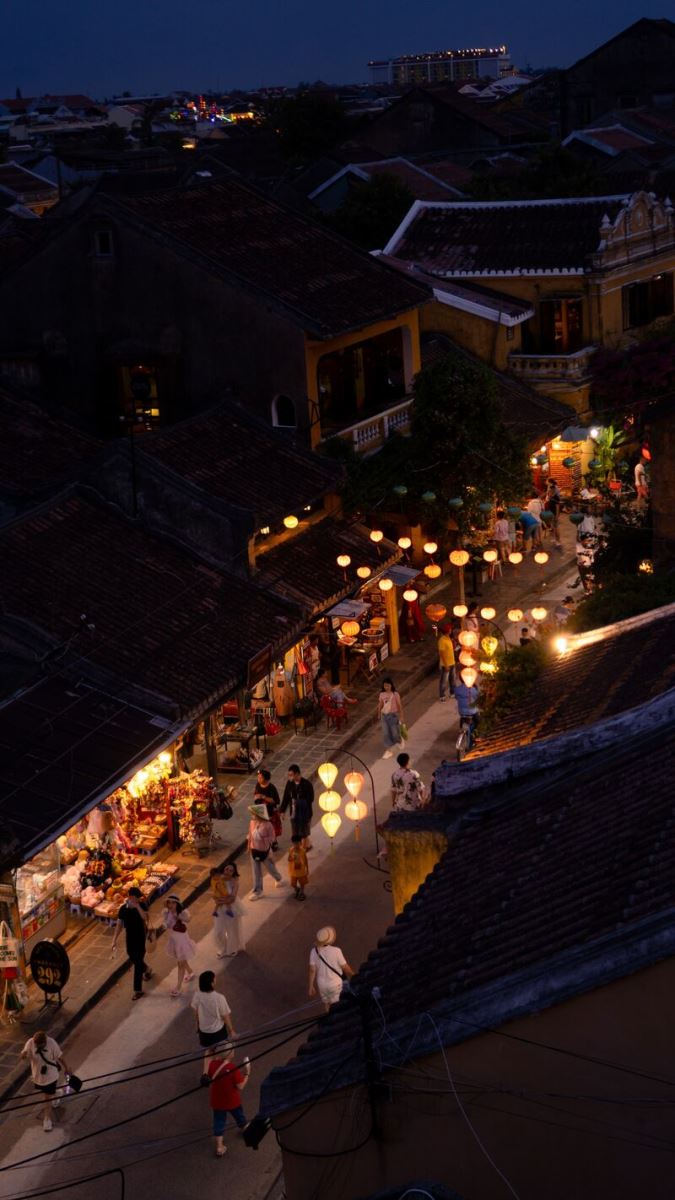
Photo: Thuong Nguyen / Pexels
Note: The suggested time frames are for reference only. Actual lighting conditions may vary depending on the season, weather, and shooting location. It is recommended to observe the natural light throughout the day to choose the most suitable time for photography.
Photography Tips for Capturing Artistic Images of Hoi An
You don't need expensive equipment or complicated photography techniques to capture beautiful images of Hoi An. A few simple adjustments to the way you observe your surroundings and compose your shots can make your photographs more balanced and visually appealing.
Make Use of Natural Leading Lines: Overhanging eaves, rows of paving stones, pathways, and traditional houses stretching into the distance can naturally guide the viewer's eye toward your subject. Try positioning your subject at the end of a pathway or where architectural lines intersect to create a stronger sense of depth.
Pay Attention to Light and Shadow: Rather than focusing only on brightly lit areas, explore the creative possibilities of shaded spaces. Patches of sunlight filtering through tree branches or the shadows of window frames falling across old walls can create fascinating compositions.
Keep Colors True to Life: Hoi An already possesses a beautiful natural color palette, from the warm yellow tones of its historic walls and the reddish-brown hues of traditional tiled roofs to the lush greenery of surrounding trees. Make subtle adjustments to brightness and color to preserve the authentic atmosphere of the Ancient Town.
Include People in Your Composition: A pedestrian passing by, someone riding a bicycle, or local residents going about their daily activities can bring movement and life to your photographs. However, always respect people's privacy and ask for permission before taking close-up photographs of others.
Slow Down and Observe: Sometimes, the most beautiful photography spots are found beyond famous landmarks, appearing unexpectedly along a quiet street or a pathway you happen to explore. Take a moment to observe the light, colors, and movements around you before pressing the shutter.
Continue Your Journey of Artistic Inspiration at Anmira Hoi An
Hoi An offers countless ways to experience and preserve its beauty. From the timeless architectural details of the Ancient Town to the lush greenery of its gardens, from the rhythms of local life to cultural and artistic experiences, every encounter reveals a different perspective on this charming destination.
At Anmira Hoi An – Village of Arts & Culture, this sense of inspiration continues within a resort setting where architecture, nature, and art come together. Lush gardens throughout the property, architectural details inspired by local heritage, and thoughtfully curated cultural experiences offer fascinating perspectives to discover throughout your stay.
Take your time wandering through the resort grounds, observing artistic details, appreciating the beauty of natural light, and capturing memorable moments through your own lens. After all, a truly memorable journey is often shaped by the simplest things: a beautiful perspective, a gentle ray of sunlight falling across a veranda, or a fleeting moment that makes you want to linger just a little longer.
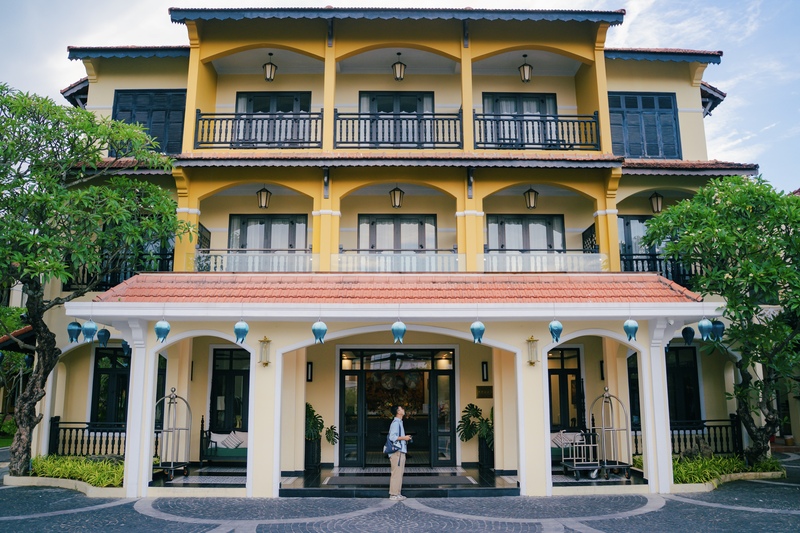
Photo: Anmira Hoi An
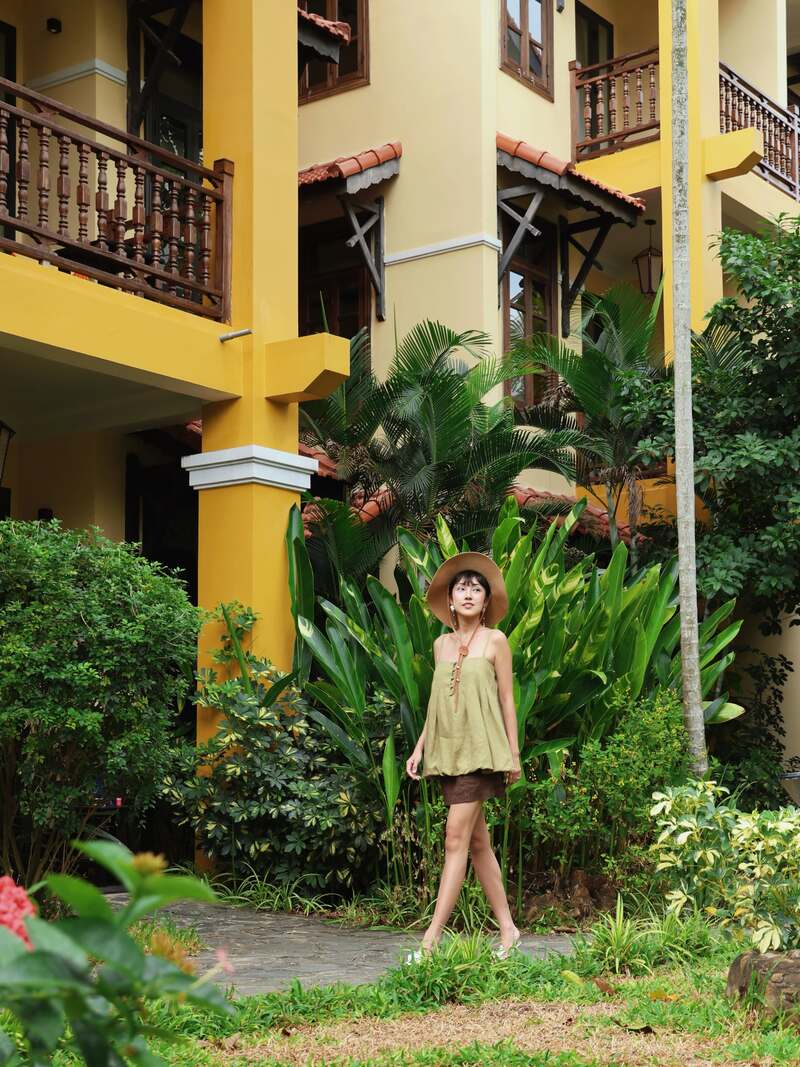
Photo: Anmira Hoi An
Anmira Hoi An looks forward to being part of your journey as you discover the beauty of Hoi An through meaningful experiences, unique perspectives, and stories captured through your own lens.
Discover the INTO THE VILLAGE Offer and Book Directly with Anmira Hoi An to Begin Your Own Journey
To make your journey even more memorable, Anmira Hoi An introduces the INTO THE VILLAGE offer, featuring exclusive benefits for guests who book directly with the resort. Enjoy the opportunity for a complimentary room upgrade, subject to availability, participate in complimentary activities and workshops according to the weekly schedule, and indulge in daily afternoon tea. Additional benefits include a 20% discount on paid workshops and laundry services, along with dining vouchers worth up to VND 500,000 at LAM Kitchen. Guests can also enjoy massage benefits at MIRA Spa, subject to the offer's terms and conditions.

Photo: Anmira Hoi An
Ready to Explore Hoi An Your Own Way?
Book directly with Anmira Hoi An to enjoy the best available rates and exclusive benefits from the INTO THE VILLAGE offer.
Official Booking Channels:
- Email: reservations@anmiraresort.com
- Hotline: +84 91 880 7874
- Facebook:https://www.facebook.com/profile.php?id=61552815789581
- Website: https://anmiraresort.com/vi/dat-phong.html
- Instagram: https://www.instagram.com/anmirahoian/
FAQ – Frequently Asked Questions About Photography in Hoi An
1. What is the best time to take photos in Hoi An?
Early morning from 6:00 AM to 8:00 AM and late afternoon from 3:30 PM to 5:30 PM generally offer favorable lighting conditions for architectural, portrait, and street photography. If you prefer a more enchanting atmosphere, consider taking photos in the evening when the Ancient Town is illuminated by colorful lanterns.
2. What should I wear for a photoshoot in Hoi An?
Neutral and soft colors such as white, cream, beige, brown, and light blue often complement the iconic yellow walls of Hoi An Ancient Town. Outfits with simple, elegant designs can also create a harmonious composition while allowing the surrounding architecture to remain a focal point.
3. Do I need a professional camera to take beautiful photos in Hoi An?
Not necessarily. A smartphone can still capture beautiful photographs when you make good use of natural light, choose suitable compositions, and keep your device steady while shooting.
4. How can I take photos of Hoi An Ancient Town when it is crowded with tourists?
Consider starting your photography journey early in the morning, exploring quieter alleyways, or focusing on architectural details rather than wide-angle street scenes. These approaches can help you capture more intimate perspectives of the Ancient Town.
5. Where are the best photography spots in Hoi An?
Some of the best photography spots in Hoi An include the Japanese Covered Bridge, the historic streets around Tran Phu and Nguyen Thai Hoc, narrow alleyways throughout the Ancient Town, and the scenic banks of the Hoai River. Each location offers distinctive architectural features and a unique atmosphere, making them suitable for different photography styles.
6. How can I take beautiful photos of Hoi An's lanterns at night?
Choose locations where the lanterns are prominently displayed, minimize the use of flash, and keep your camera or smartphone steady while shooting. You can also use the warm glow of the lanterns as your primary light source to create atmospheric photographs with soft, inviting tones.
7. Can I find beautiful photography spots at Anmira Hoi An?
Yes. Anmira Hoi An – Village of Arts & Culture offers a resort setting where architecture, nature, and art come together. Guests can wander through the resort grounds, discover lush green spaces, admire distinctive architectural details, and explore artistic spaces to find inspiration for photographs that reflect their personal perspectives.
--------------------
Contact infomation:
Anmira Hội An Village of Arts & Culture
Address: 276 Cua Dai Street, Hoi An Dong Ward, Da Nang City, Vietnam
Tel: +84 235 3923 999
Email: reservations@anmiraresort.com
Website: https://anmiraresort.com/
Fanpage: https://www.facebook.com/profile.php?id=61552815789581
Map: