
 en
 Việt Nam
 中文
 日本語
 한국인
 VI
1. An Overview of Hoi An Cuisine
Hoi An's culinary heritage developed alongside its history as a thriving international trading port between the 16th and 19th centuries. Once a bustling meeting point for merchants from Vietnam, China, Japan, and other countries, Hoi An welcomed a rich exchange of goods, cultures, daily customs, and culinary traditions. Over time, local communities adapted these influences, combining them with indigenous ingredients to create a distinctive regional cuisine.
One of the defining characteristics of Hoi An cuisine is its rich yet uncomplicated flavor. Local dishes often feature a harmonious balance of savory, sweet, rich, and spicy notes, while fresh vegetables, aromatic herbs, chili, and dipping sauces play an essential role in bringing the flavors together. Seasonal ingredients are equally important, from fresh greens grown in Tra Que Vegetable Village and seafood sourced from nearby waterways to rice, corn, and familiar local spices.
Another charming aspect of Hoi An's food culture is how naturally it forms part of everyday life. A typical morning might begin with a steaming bowl of Mi Quang, followed by fragrant chicken rice for lunch. In the afternoon, locals may enjoy a flavorful serving of Cao Lau before ending the day with a warm bowl of sweet soup or a refreshing serving of silken tofu dessert.
The simplicity and familiarity of these culinary traditions contribute to the distinctive charm of Hoi An, making local food an unforgettable part of discovering the town's culture and people.
2. Must-Try Local Specialties and Popular Dishes in Hoi An
Certain dishes have become essential experiences for anyone visiting Hoi An. Some are deeply rooted in the town's culinary heritage and have been passed down through generations, while others are familiar specialties from the wider Quang Nam region, adapted to suit local tastes.
2.1. Famous Local Specialties in Hoi An
Cao Lau
Cao Lau is widely regarded as one of Hoi An's most iconic culinary specialties. Closely associated with the town's prosperous trading-port era, the dish reflects the cultural exchange between Vietnamese, Chinese, and Japanese culinary traditions. Although its exact origins remain the subject of different interpretations, Cao Lau has become a distinctive symbol of Hoi An over generations.
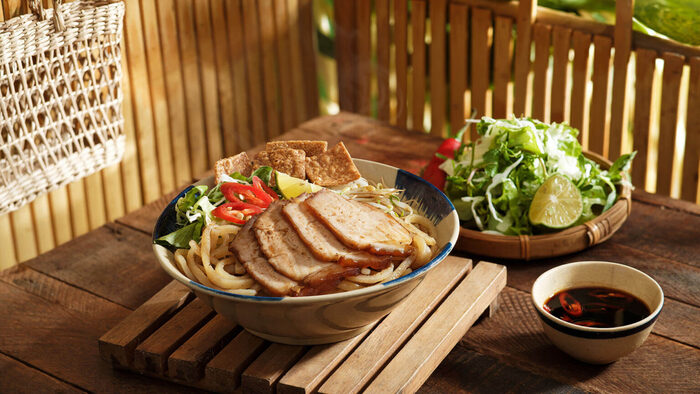
Cao Lau in Hoi An
Photo: Internet
Ingredients: Thick yellow Cao Lau noodles, char siu-style pork, crispy pork cracklings or fried croutons, bean sprouts, fresh herbs, and a small amount of rich, savory sauce.
How to enjoy: Cao Lau is served as a relatively dry noodle dish with only a small amount of sauce rather than a generous serving of broth. Mix the ingredients while they are still warm, adding fresh herbs and a little chili to appreciate the chewy noodles, rich pork, and refreshing greens.
Best time to enjoy: Available throughout the year, especially comforting during cooler weather.
Recommended places:
- Cao Lau Ba Le – 49/3 Tran Hung Dao Street
- Cao Lau Ong Lau – 28 Thai Phien Street area
- Cao Lau Thanh – 26 Thai Phien Street
Hoi An Chicken Rice
Chicken rice is a popular everyday dish that holds a familiar place in Hoi An's local food culture. Its appeal lies in the fragrant golden rice, tender chicken, and lightly tangy vegetable salad served alongside it.
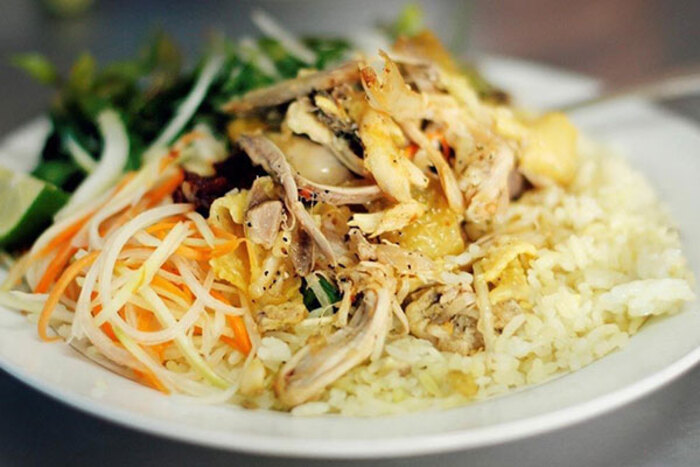
Shredded Chicken Rice in Hoi An
Photo: Internet
Ingredients: Rice cooked with chicken broth, turmeric, and seasonings; shredded or sliced chicken; onions, Vietnamese coriander, green papaya, carrots, and sweet-and-sour fish sauce.
How to enjoy: Best served while the rice is still warm, accompanied by tender chicken, tangy vegetables, and Hoi An chili sauce. A small bowl of hot chicken broth can also be enjoyed alongside the meal.
Best time to enjoy: Lunch or dinner.
Best time to enjoy: Lunch or dinner.
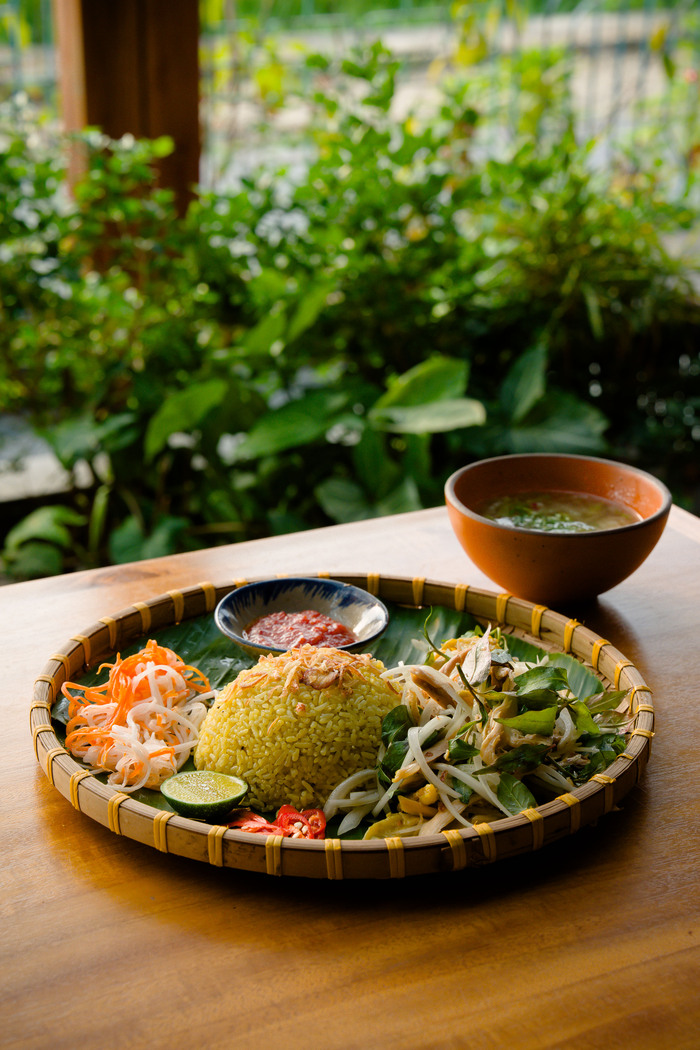
Hoi An Chicken Rice at LAM Kitchen (Anmira Hoi An)
Photo: Anmira Hoi An
Recommended places:- LAM Kitchen – 171 Nguyen Trai Street
- Com Ga Ba Buoi – 22 Phan Chau Trinh Street
- Com Ga Ba Nga – 8 Phan Chau Trinh Street
- Com Ga Ba Van – 21B Phan Chau Trinh Street
Mi Quang (Quang-Style Noodles)
Originating from Quang Nam Province, Mi Quang is a traditional noodle dish closely connected to the daily lives of local communities. In Hoi An, it is typically prepared with a small amount of richly seasoned broth and served with a generous selection of fresh vegetables and crispy rice crackers.
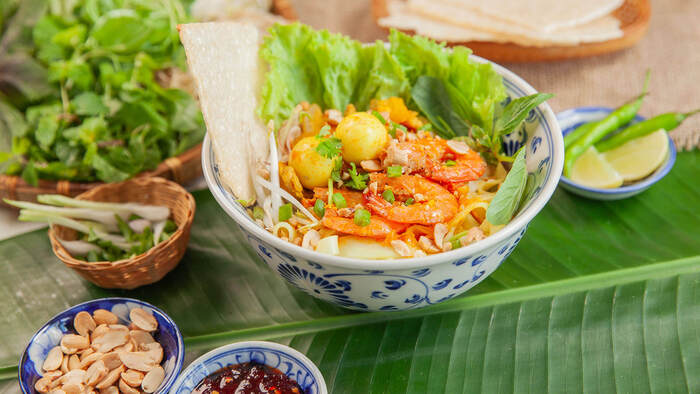
Mi Quang in Hoi An
Photo: Internet
Ingredients: Wide rice noodles, shrimp, pork, quail eggs, roasted peanuts, spring onions, fresh herbs, and crispy rice crackers.
How to enjoy: Serve hot and mix the noodles with the lightly thickened broth. Add roasted peanuts, chili, and a squeeze of lime according to personal preference.
Best time to enjoy: Breakfast or lunch.
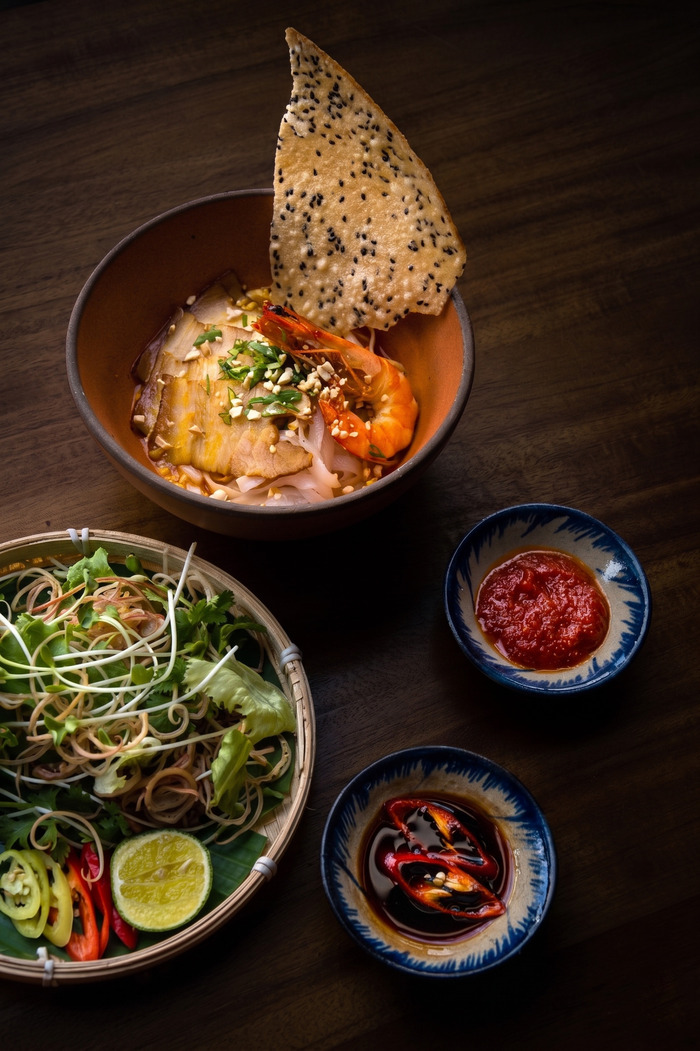
Mi Quang at LAM Kitchen (Anmira Hoi An)
Photo: Anmira Hoi An
Recommended places:
- LAM Kitchen – 171 Nguyen Trai Street
- Mi Quang Bich – 272 Hung Vuong Street
- Quan Muoi Mi Quang Cao Lau – 80 Hai Thuong Lan Ong Street
Banh Bao and Banh Vac (White Rose Dumplings)
Banh Bao and Banh Vac are collectively known as White Rose Dumplings, named for their delicate appearance, translucent white wrappers, and flower-like folds. Influenced by the cultural exchanges of Hoi An's historic trading port, these dumplings have been refined by local communities into a specialty unique to the town.
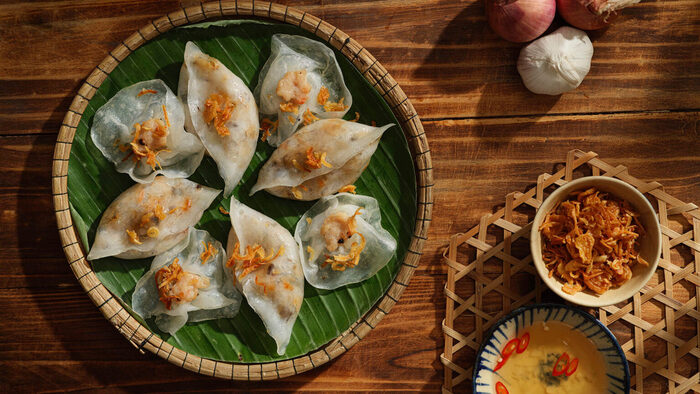
Banh Vac in Hoi An
Photo: Internet
Ingredients: Rice flour wrappers; Banh Bao fillings typically include pork and mushrooms, while Banh Vac commonly contains shrimp, seasonings, and onions.
How to enjoy: The dumplings are steamed and served hot with crispy fried shallots and sweet-and-sour fish sauce. They are best enjoyed immediately after steaming to appreciate the soft, pleasantly chewy texture of the wrappers.
Best time to enjoy: Available throughout the year, often served as an appetizer or a light snack.
Recommended places:
- White Rose Restaurant – 533 Hai Ba Trung Street
- Trung Bac Restaurant – 87 Tran Phu Street
Banh Mi Hoi An (Vietnamese Baguette)
Hoi An's Banh Mi is celebrated for its crispy crust, variety of fillings, and richly seasoned sauces. Combining French-style baguettes with Vietnamese ingredients and spices, this popular street food offers a convenient yet flavorful meal.
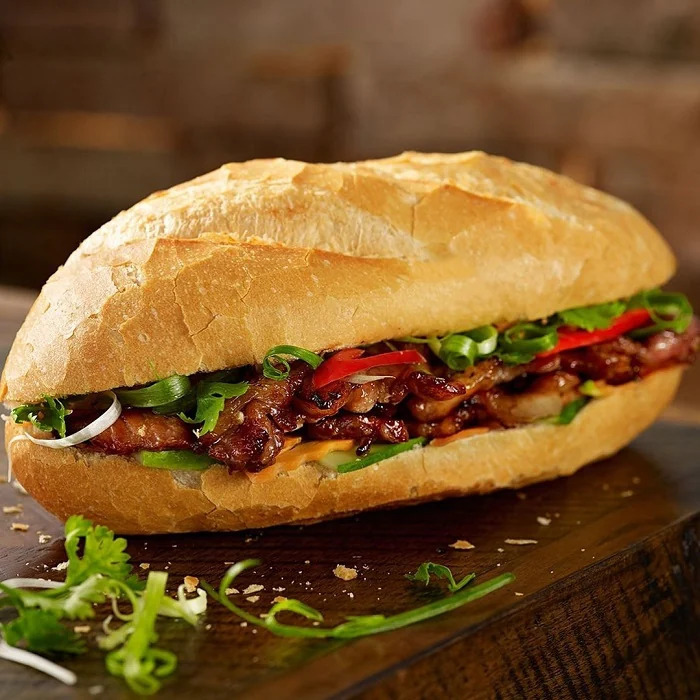
Banh Mi in Hoi An
Photo: Internet
Ingredients: Crispy baguette, pâté, cold cuts, char siu-style pork, Vietnamese pork sausage, fresh herbs, cucumber, pickled vegetables, and signature sauces.
How to enjoy: Best eaten freshly prepared while the bread is still warm and crispy. It pairs well with a glass of soy milk or Vietnamese coffee.
Best time to enjoy: Breakfast, an afternoon snack, or a quick meal throughout the day.
Recommended places:
- Banh Mi Madam Khanh – 115 Tran Cao Van Street
- Banh Mi Sum – 149 Tran Hung Dao Street
A Quick Guide to Hoi An's Famous Local Specialties:
| Dish | Highlights | Best time to enjoy | Recommended places |
|---|---|---|---|
| Cao Lau | Chewy yellow noodles, char siu pork, crispy toppings, fresh herbs, and savory sauce | Year-round, especially on cooler days |
Cao Lau Ba Le (49/3 Tran Hung Dao) Ong Lau (28 Thai Phien) Cao Lau Thanh (26 Thai Phien) |
| Hoi An Chicken Rice | Golden rice cooked in chicken broth, tender chicken, and tangy vegetable salad | Lunch or dinner |
LAM Kitchen (171 Nguyen Trai) Ba Buoi (22 Phan Chau Trinh) Ba Nga (8 Phan Chau Trinh) Ba Van (21B Phan Chau Trinh) |
| Mi Quang | Wide rice noodles, shrimp, pork, quail eggs, flavorful broth, and crispy rice crackers | Breakfast or lunch |
LAM Kitchen (171 Nguyen Trai) Mi Quang Bich (272 Hung Vuong) Quan Muoi (80 Hai Thuong Lan Ong) |
| White Rose Dumplings | Delicate translucent wrappers filled with shrimp or pork and folded into flower-like shapes | Year-round, as an appetizer or light snack |
White Rose Restaurant (533 Hai Ba Trung) Trung Bac Restaurant (87 Tran Phu) |
| Banh Mi Hoi An | Crispy baguette with pâté, meats, Vietnamese sausage, fresh herbs, and signature sauces | Breakfast, afternoon snack, or quick meal |
Madam Khanh (115 Tran Cao Van) Banh Mi Sum (149 Tran Hung Dao) |
2.2. Other Popular Local Dishes
Beyond its famous specialties, Hoi An offers a variety of humble, traditional dishes commonly found in family meals and local eateries.
Fried Wontons: Made with wheat flour wrappers filled with pork or shrimp, fried until crispy, and served with a tomato-based vegetable sauce. Best enjoyed hot, they make a delicious appetizer or afternoon snack.
Banh Xeo (Vietnamese Crispy Pancakes): Made from a turmeric-infused rice flour batter and filled with shrimp, pork, and bean sprouts. The crispy pancakes are wrapped in rice paper with fresh herbs and vegetables, then dipped in fish sauce. They are best eaten immediately after cooking.
Stir-Fried Baby Clams: Small clams are stir-fried with onions, Vietnamese coriander, seasonings, and roasted peanuts. Traditionally served with crispy rice crackers, the dish is especially delicious while still hot.
Banh Dap (Smashed Rice Crackers): A combination of crispy grilled rice paper and soft steamed rice sheets, served with fermented fish sauce, fried chives, and peanut oil. Before eating, the two layers are gently pressed together by hand, creating the dish's characteristic texture.
Banh Beo (Steamed Rice Cakes): Small steamed rice cakes served in individual bowls, topped with a savory shrimp-and-pork mixture, fried shallots, and fish sauce. Best enjoyed warm, they are a popular light meal or afternoon snack.
These dishes can be found at traditional eateries throughout Hoi An Ancient Town, the central market, and surrounding residential neighborhoods. Travelers wishing to explore local food culture more deeply may enjoy visiting smaller eateries away from the busiest tourist streets.
A Quick Guide to Other Popular Hoi An Dishes:
| Dish | Main ingredients | How to enjoy | Best time |
|---|---|---|---|
| Fried Wontons | Wheat flour wrappers, pork or shrimp filling, tomato sauce, and vegetables | Enjoy hot while the wrappers are crispy, served with sauce | Appetizer or afternoon snack |
| Banh Xeo | Rice flour, turmeric, shrimp, pork, and bean sprouts | Wrap with rice paper and fresh herbs, then dip in fish sauce | Main meal or afternoon snack |
| Stir-Fried Baby Clams | Baby clams, onions, Vietnamese coriander, roasted peanuts, and seasonings | Serve hot with crispy rice crackers | Appetizer or light snack |
| Banh Dap | Grilled rice paper, steamed rice sheets, fermented fish sauce, fried chives, and peanut oil | Gently press the two layers together and dip in fermented fish sauce | Light meal or afternoon snack |
| Banh Beo | Steamed rice cakes, shrimp-and-pork topping, fried shallots, and fish sauce | Enjoy warm directly from the small serving bowls | Light meal or afternoon snack |
3. Experience Vietnamese Cuisine in a Nature-Inspired Setting at Anmira Hoi An
As part of a culinary journey through Hoi An, visitors can discover a distinctive dining experience at Anmira Hoi An. While traditional eateries in the Ancient Town preserve flavors passed down through generations, LAM Kitchen and AN Kitchen offer welcoming dining spaces where guests can enjoy delicious food at a leisurely pace, surrounded by the peaceful atmosphere of the resort.
LAM Kitchen – A Vietnamese Kitchen Inspired by the Warmth of a Countryside Hearth
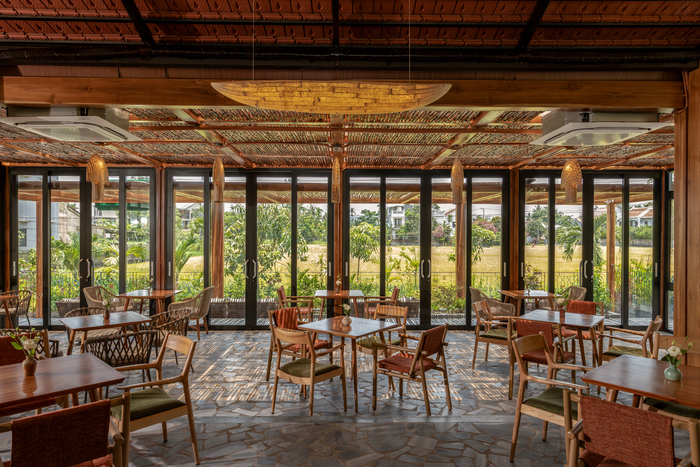
LAM Kitchen
Photo: Anmira Hoi An
Inspired by the familiar sight of smoke rising from a countryside kitchen at dusk, LAM Kitchen embraces the spirit of a traditional Vietnamese home kitchen, where every dish is prepared with care and the aromas of cooking evoke memories of warm family gatherings.
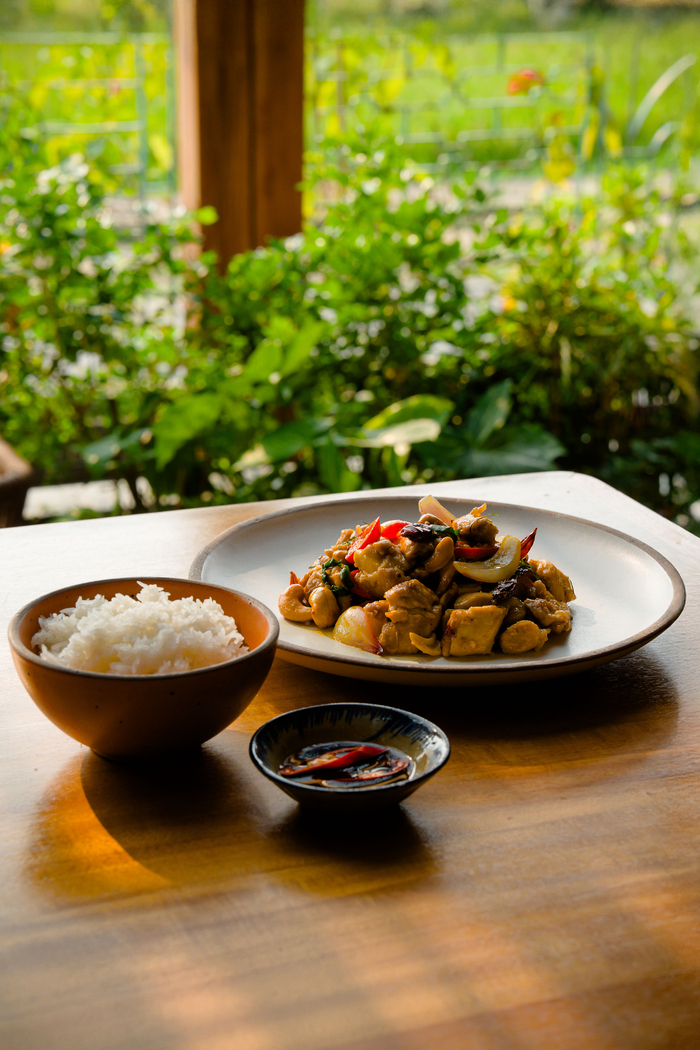
A Familiar Family Meal at LAM Kitchen
Photo: Anmira Hoi An
At LAM Kitchen, Vietnamese cuisine comes to life through familiar home-style dishes, local specialties, and dishes grilled over an open flame. The aroma of charcoal, the gentle smoke, and the fragrance of freshly cooked food bring back cherished memories of a countryside kitchen, family meals, and the simple joy of sharing food with loved ones.
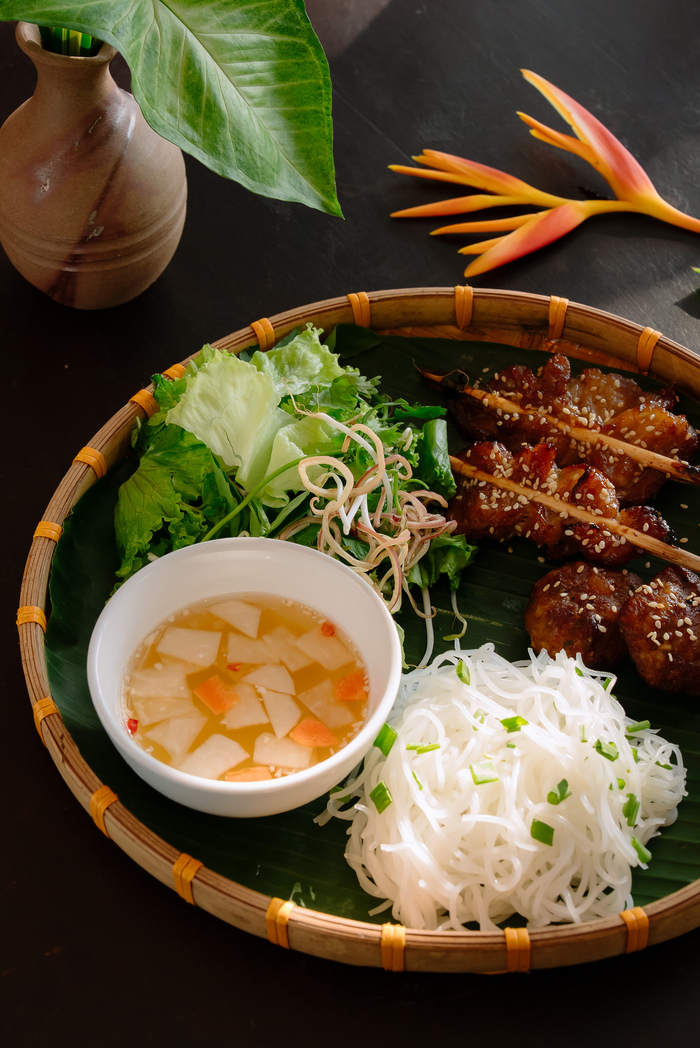
Hanoi Bun Cha Recreated at LAM Kitchen
Photo: Anmira Hoi An
The menu features distinctive flavors of Hoi An, including Hoi An Chicken Salad, Tra Que Tam Huu, Mi Quang with Shrimp and Pork, Hoi An Chicken Rice, and Stir-Fried Cao Lau Noodles with Bean Sprouts. Alongside these local specialties, a selection of Vietnamese home-style dishes and grilled favorites offers plenty of choices for meals shared with family and friends.
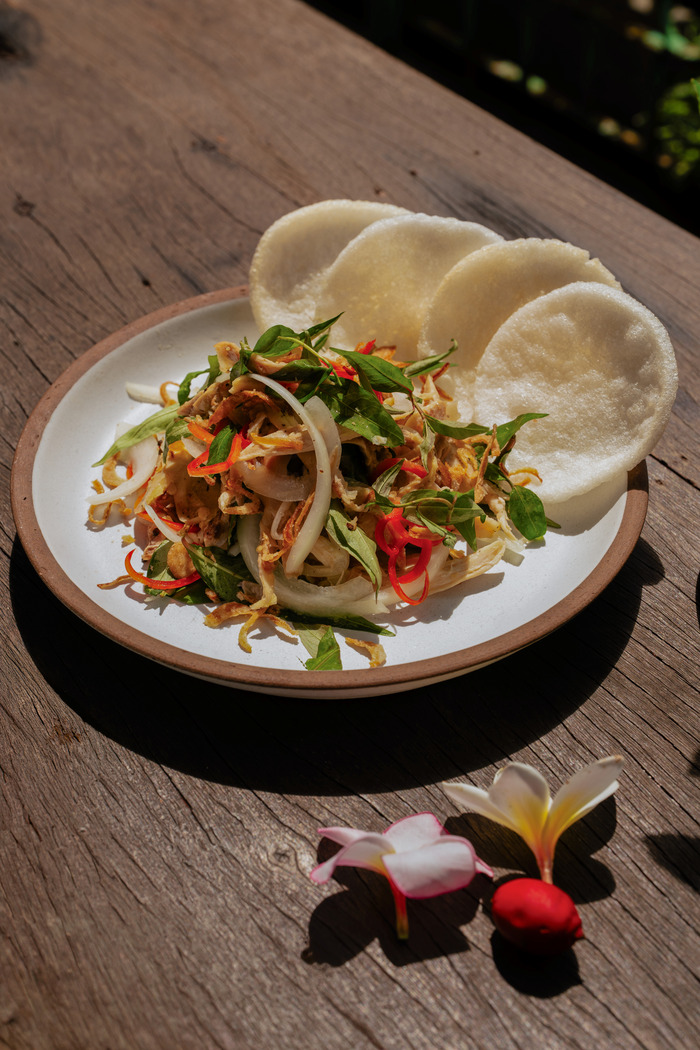
Hoi An Chicken Salad
Photo: Anmira Hoi An
Overlooking the An My rice fields, LAM Kitchen offers a peaceful countryside atmosphere filled with natural light and gentle breezes drifting across the fields. Away from the lively streets of the Ancient Town, guests can take their time over a meal in a warm, welcoming setting surrounded by nature.
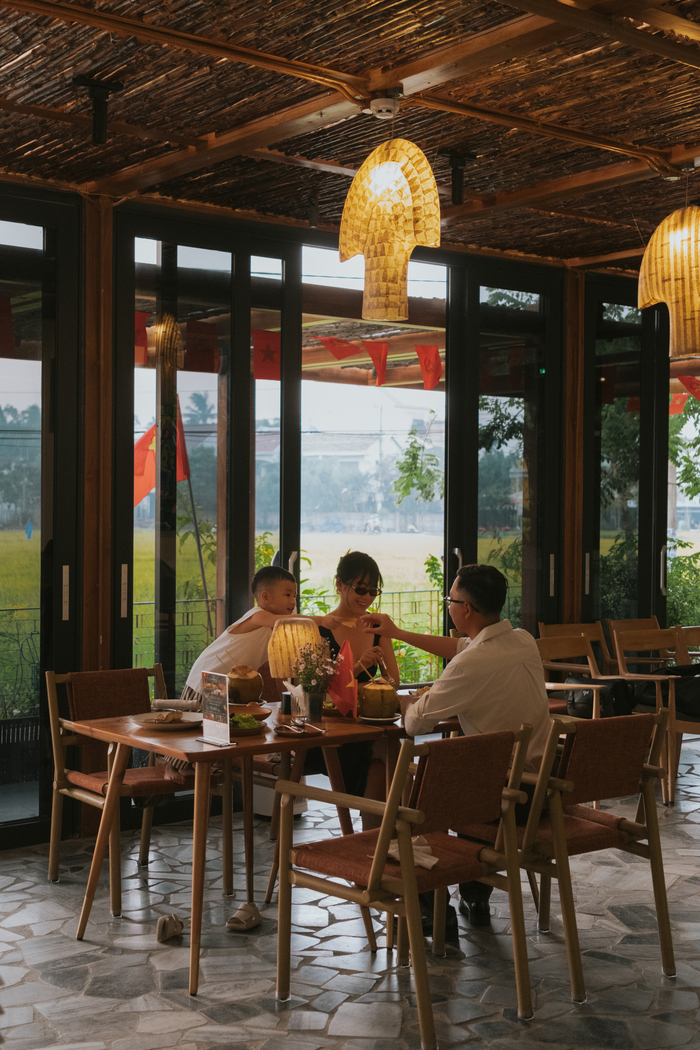
Families Enjoying a Meal Together in a Warm and Welcoming Setting
Photo: Anmira Hoi An
With its intimate atmosphere and inviting design, LAM Kitchen is an ideal setting for family gatherings, relaxed romantic dinners, or casual get-togethers with friends. Here, the pleasure of a good meal often begins with life's simplest moments: the aroma of grilled food, conversations around the table, and the comforting feeling of being together with loved ones.
AN Kitchen – A Peaceful Retreat Along Your Holiday Journey
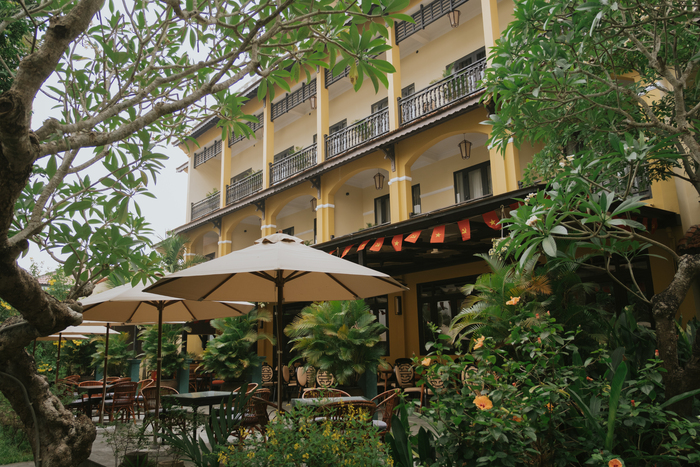
The nature-inspired outdoor setting of AN Kitchen
Photo: Anmira Hoi An
Alongside LAM Kitchen, AN Kitchen offers a different culinary atmosphere within the relaxing surroundings of Anmira Hoi An. Inspired by the image of a kite and the spirit of freedom, AN Kitchen evokes a sense of lightness and openness, inviting guests to unwind and enjoy their dining experience at their own pace.
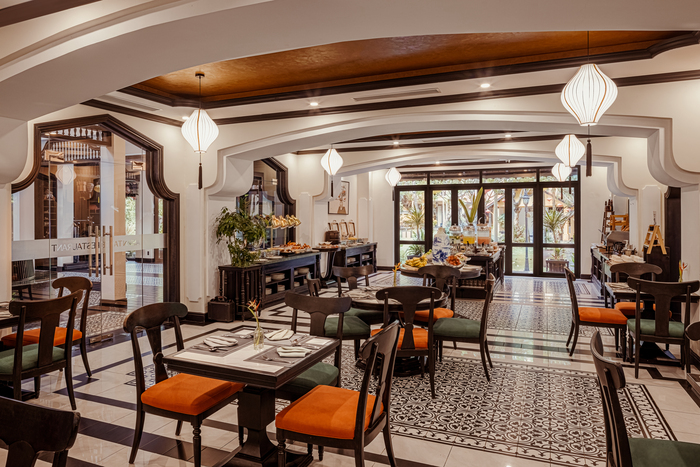
Interior of AN Kitchen
Photo: Anmira Hoi An
While LAM Kitchen recalls the warmth of a traditional Vietnamese kitchen and the joy of family gatherings, AN Kitchen provides a tranquil setting where guests can step away from their daily routines and embrace a more relaxed rhythm. With their distinct personalities, these two dining venues enrich the culinary experiences available during a stay at Anmira Hoi An.
Dining Information:
| Information | AN Kitchen | LAM Kitchen |
|---|---|---|
| Location | 276 Cua Dai Street, Hoi An Dong Ward, Da Nang | 171 Nguyen Trai Street, Hoi An Dong Ward, Da Nang |
| Opening Hours | 6:30 AM – 10:00 AM daily | 11:00 AM – 10:00 PM daily |
FAQ – Frequently Asked Questions About Hoi An Cuisine
1. What should I eat first when visiting Hoi An?
If you are visiting Hoi An for the first time, Cao Lau, Hoi An Chicken Rice, Mi Quang, and White Rose Dumplings are excellent dishes to start with. These specialties represent some of the most distinctive flavors and culinary traditions of the Ancient Town.
2. What is the most famous local specialty in Hoi An?
Cao Lau is often considered Hoi An's most iconic local specialty. Other popular dishes include Hoi An Chicken Rice, Mi Quang, White Rose Dumplings, and Banh Mi, all of which are widely enjoyed by visitors.
3. Where can I find good Cao Lau in Hoi An?
Visitors can explore well-known eateries such as Cao Lau Ba Le, Cao Lau Thanh, and Cao Lau Ong Lau on Thai Phien Street. Cao Lau is best enjoyed freshly prepared, when the noodles retain their characteristic chewy texture and the char siu-style pork is full of flavor.
4. What snacks and desserts should I try in Hoi An?
Some popular choices include Mot herbal drink, sweet corn soup, black sesame sweet soup, Xoa Xoa jelly dessert, silken tofu dessert, mango-shaped cakes, steamed layered cakes, and Ta Xa sweet soup. These treats are ideal for an afternoon snack or a light dessert after a meal.
5. What should I eat in Hoi An during summer?
During the summer months, refreshing treats such as Xoa Xoa jelly dessert, mixed sweet soup, chilled silken tofu dessert, and Mot herbal drink are particularly enjoyable. For main dishes, Mi Quang, Hoi An Chicken Rice, and White Rose Dumplings remain excellent choices throughout the year.
6. What traditional Hoi An foods can I buy as souvenirs?
Mango-shaped cakes, mung bean cakes with savory meat filling, Banh It La Gai (sticky rice cakes wrapped in ramie leaves), and other traditional cakes are popular options. When purchasing these specialties, visitors are encouraged to ask about their shelf life and recommended storage conditions.
7. Which streets are famous for food in Hoi An?
Some of the best areas to explore include Nguyen Hoang Night Market, Nguyen Du Street, Phan Chau Trinh Street, Nguyen Hue Street, and the area surrounding Hoi An Central Market along Bach Dang Street. Each offers a different culinary atmosphere, from street food stalls and traditional eateries to local desserts and handmade cakes.
8. Where can I find late-night food in Hoi An?
Nguyen Hoang Night Market is a popular destination for evening food experiences, offering grilled skewers, crispy rice paper snacks, drinks, and a variety of street food beneath the colorful lanterns. Visitors can also explore eateries operating in the central Ancient Town area for additional late-night dining options.
--------------------
Contact infomation:
Anmira Hội An Village of Arts & Culture
Address: 276 Cua Dai Street, Hoi An Dong Ward, Da Nang City, Vietnam
Tel: +84 235 3923 999
Email: reservations@anmiraresort.com
Website: https://anmiraresort.com/
Fanpage: https://www.facebook.com/profile.php?id=61552815789581
Map: