
 en
en Việt Nam
 中文
中文 日本語
日本語 한국인
한국인 VI
VI1. Dó Paper – A Traditional Material Reimagined in Contemporary Life
Long before it became a material explored and reinterpreted by contemporary artists, dó paper had a long-standing presence in Vietnamese cultural life. Traditionally handmade from the bark of "dó" and "dướng" trees, together with "nước nhớt" (also known as "nước mò") and other supporting materials, dó paper has been closely associated with a wide range of cultural and artistic practices, as well as traditional knowledge passed down among the Vietnamese people and several ethnic communities in northern Vietnam.
.png) The traditional "seo giấy" technique involves lifting thin layers of pulp from a mould to form individual sheets of paper.
The traditional "seo giấy" technique involves lifting thin layers of pulp from a mould to form individual sheets of paper.
Source: VOV – Voice of Vietnam
Creating a finished sheet of dó paper requires artisans to go through a series of meticulous, entirely handcrafted processes. After being harvested, the bark is processed, soaked and boiled to soften it, then further treated until it reaches the appropriate condition for making paper pulp. One important stage involves pounding the raw material to create a mixture of paper fibers.
The pulp is then mixed with water and formed into sheets using the traditional "seo giấy" technique. Using a fine-mesh "liềm seo" frame, the artisan gently lifts a thin layer of pulp from the surface of the water, gradually forming each sheet of paper. The sheets are then pressed to remove excess water before being laid out to dry naturally or dried using controlled heat.
What is particularly noteworthy is that these steps are not simply a sequence of technical procedures. To produce paper with the right thickness, durability and quality, artisans must draw on their knowledge and experience of the raw materials, weather conditions, water sources and every stage of pulp preparation.
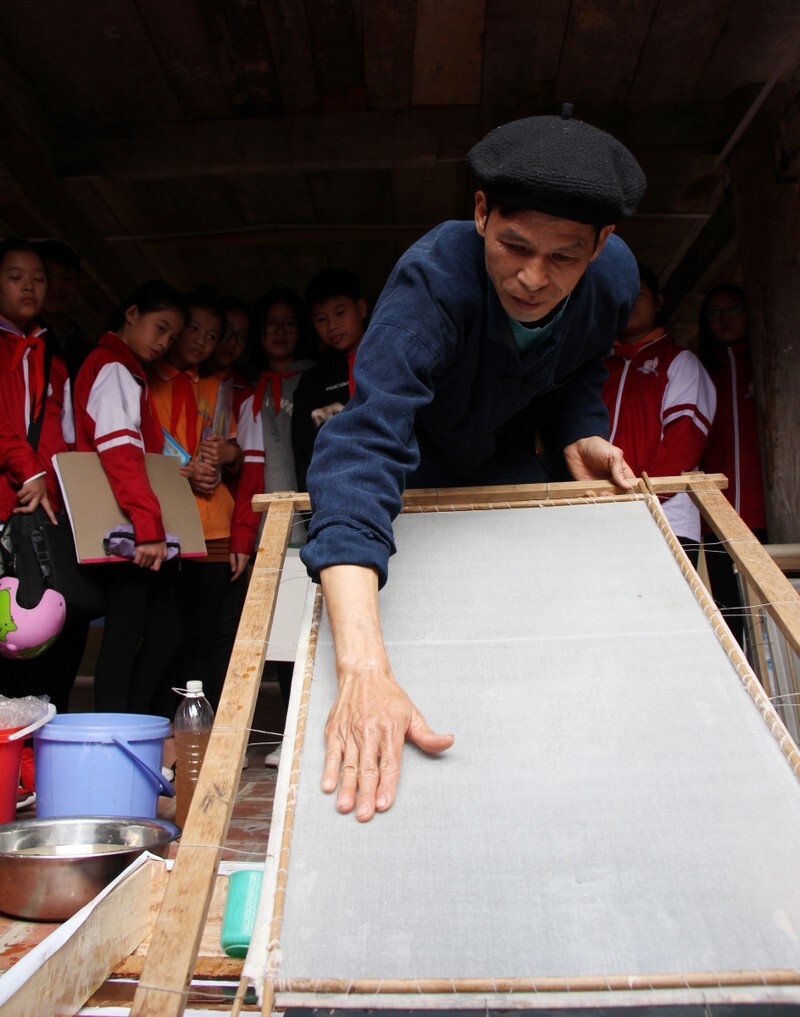
Mr. Dương Văn Quang – a custodian of the Cao Lan community’s traditional craft of making dó paper
Source: Bản tin Điện tử họ Dương Việt Nam
However, an important reality is that the traditional handmade dó paper craft is currently facing many challenges and the risk of gradually disappearing. For this reason, the story of dó paper today is not simply the story of a material; it is also a story of craft knowledge, collective memory, and the continuation of a traditional craft practice. (According to research by Dr. Vũ Hồng Thuận and M.A. Lã Thị Thanh Thủy.)
Perhaps this is also why, when a sheet of dó paper becomes part of a contemporary experience, what it touches is more than the material itself. It is also part of the story of how Vietnamese people once created, used, and preserved materials drawn from the natural world.
In contemporary life, dó paper has opened up new ways of being approached and interpreted. From a material associated with folk practices and spiritual life, dó paper has entered the world of art through diverse forms of expression. When placed in a new context, dó paper can become a surface for painting, a material for installation and visual art, or a medium for practices that bring together traditional craftsmanship and contemporary creativity.
The qualities shaped by the traditional handmade paper-making process continue to reveal themselves in these works: a softly textured surface, natural fibers, subtle shifts in color under different lighting conditions, and traces left by the hands of the artisan. Each element contributes to giving the material its own distinctive character.
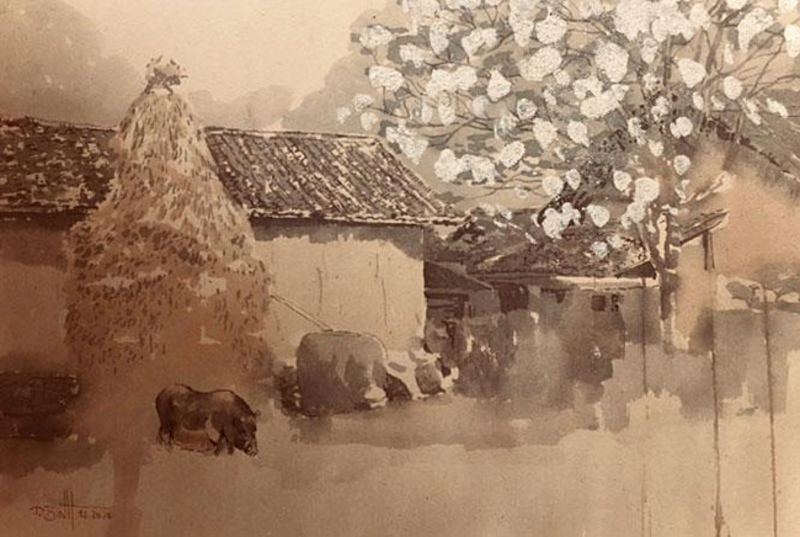 Artwork exhibited at “Dó – Space”, an exhibition by artist Vũ Thái Bình in Hanoi, 2021
Source: Hanoi Department of Culture, Sports and Tourism
Artists’ engagement with dó paper also offers another perspective on the relationship between tradition and the present. The value of dó paper therefore extends beyond its practical function to its ability to tell stories, evoke emotions, and convey reflections on culture, memory, people, and nature.
Behind every exploration of dó paper lies the imprint of a long-standing craft tradition. When artists choose this material, they are also engaging with a body of knowledge accumulated and passed down through generations. The creative process thus becomes a way for knowledge of materials, techniques, and aesthetic sensibilities to continue finding its place in contemporary life.
.png)
Kite made from dó paper
Source: VOV – Voice of Vietnam
From this perspective, dó paper can be seen as a meeting point between different currents: between craftsmanship and art, between memory and the present, and between natural materials and new forms of creative expression. The presence of dó paper in contemporary art helps expand the story of this traditional material, while also raising questions about how cultural values can be received, transformed, and allowed to continue living in contemporary life.
2. When Dó Paper Meets Light
Dó paper has a raw, lightweight surface rich in texture. When it meets light, these qualities become even more apparent: light passes through the paper, highlighting its colors, lines, and subtle variations across the surface. This distinctive characteristic opens up new possibilities for dó paper to be further explored through contemporary forms of making.
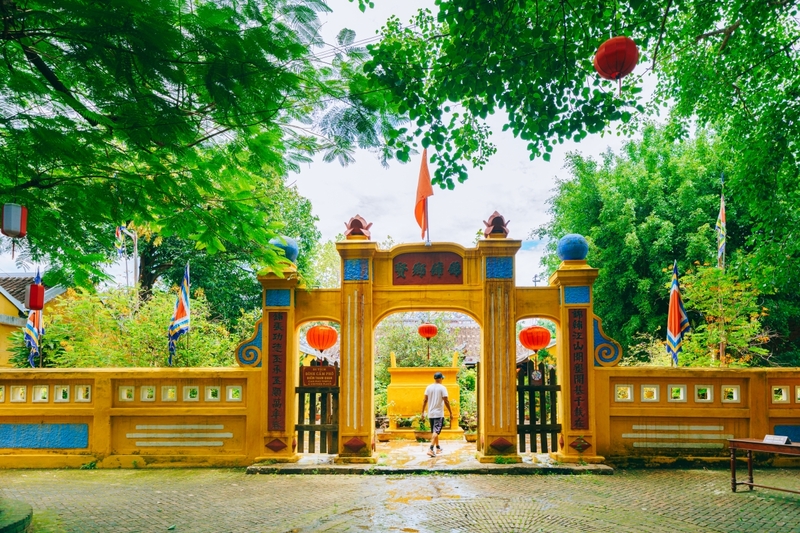
Source: Hoi An Centre for Culture, Sports and Broadcasting
As a practical example, artist Nguyễn Đức Phương (Phương Giò) has spent considerable time exploring and researching the traditional handmade production of dó paper, eventually transforming this distinctive material into lanterns. Once shaped and illuminated from within, dó paper not only defines the form of the lantern but also becomes a delicate surface through which light can pass.
Unlike a completely uniform sheet of paper, dó paper retains the natural variations created during the traditional paper-making process. Its thickness, fiber patterns, and tonal qualities can vary across different areas of the surface. When illuminated from within, these differences become part of the visual effect, giving the light of each lantern its own softness and depth.
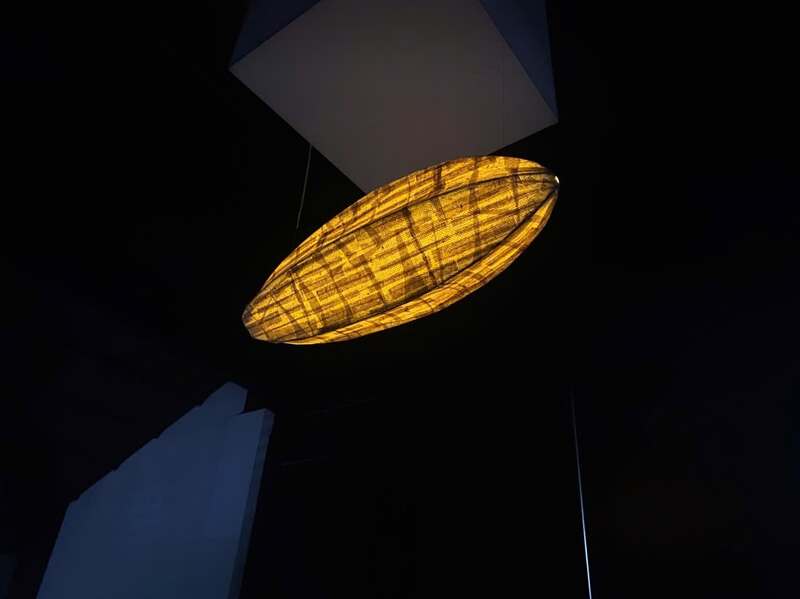
Dó paper lantern created by artist Nguyễn Đức Phương
Source: Amanaki Thao Dien Facebook Fanpage
Above all, what makes this transformation fascinating is the way the material changes through form and light. When experienced as a sheet of paper, its surface and natural fibers are clearly perceptible. Once shaped into a lantern and illuminated, its form, thickness, color, and the arrangement of individual layers can all alter the way the light is expressed.
Light, therefore, does not exist separately from the material. Instead, it reveals what has already been created: the way the paper has been folded, layered, shaped, and treated on the surface. Every gesture made by the maker can leave a trace that becomes visible when the lantern is illuminated. A dó paper lantern thus carries both the inherent qualities of its material and the imprint of the making process.
From this perspective, the lantern offers a different way of seeing dó paper. The traditional material moves beyond its familiar flat form and enters a three-dimensional space, becoming part of a more vivid visual experience. Dó paper retains the natural traces of its making, while light allows those traces to be perceived in a new way.
3. Continuing the Mid-Autumn Season at Anmira Hoi An
The Memory of Lanterns in Hoi An
Lanterns have been present in Hoi An since around the late 16th century, associated with the trading activities and settlement of Chinese communities in this historic trading port. Over time, lanterns gradually became a familiar part of life in Hoi An, adorning homes, assembly halls, places of worship, and festive spaces.
The glow of lanterns therefore carries multiple layers of meaning, from illumination and decoration to symbols of radiance, good fortune, and hopeful wishes.
Especially on full-moon nights and during the Mid-Autumn Festival, lanterns become an integral part of Hoi An’s cultural landscape. The Mid-Autumn Festival here has been preserved through various community activities, including lantern processions, Thiên Cẩu performances, and artistic programmes held beneath the glow of lanterns.
In 2023, Hoi An’s Mid-Autumn Festival was recognized as a National Intangible Cultural Heritage, acknowledging the cultural value of a festival that has long been closely connected to local life.

Artistic performances during the Mid-Autumn Festival in Hoi An
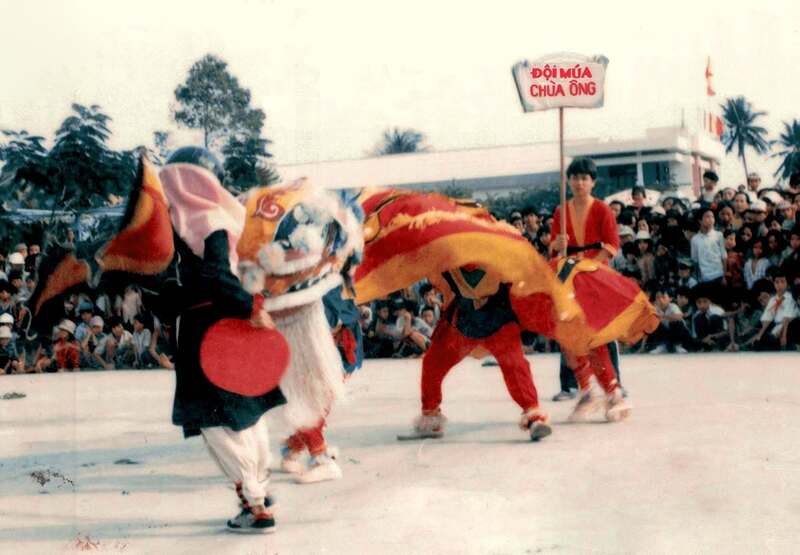 Traditional Thiên Cẩu performance during the Mid-Autumn Festival in Hoi An
Traditional Thiên Cẩu performance during the Mid-Autumn Festival in Hoi An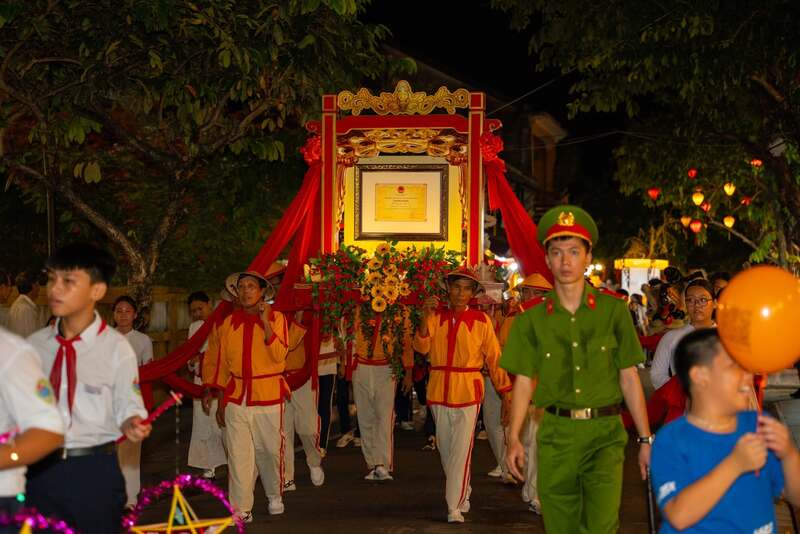 Parade celebrating Hoi An’s recognition as a National Intangible Cultural Heritage
Source: Visit Hoi An Facebook Fanpage
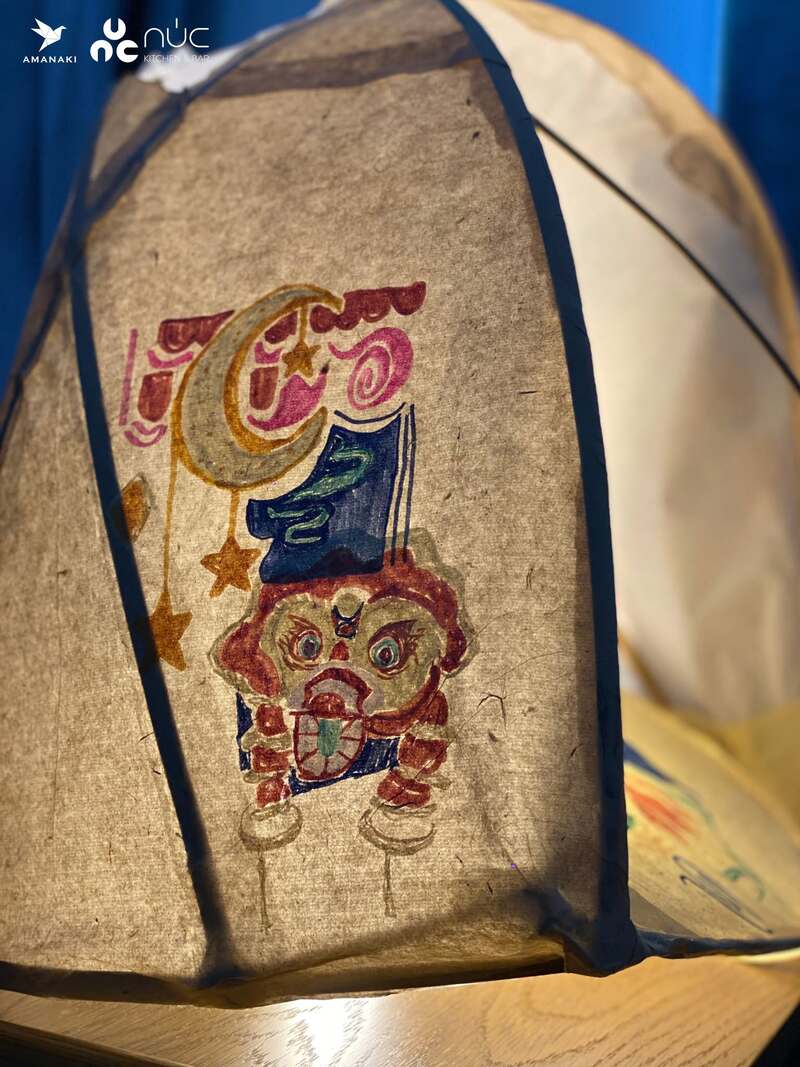
Source: Amanaki Thao Dien Facebook Fanpage
Within this cultural tradition, Anmira Hoi An continues the spirit of the Mid-Autumn Festival through its own interpretation: bringing dó paper into the form of a lantern. A traditional material rooted in a different cultural context meets light and the distinctive setting of Hoi An, creating a new way to experience the festival while preserving the spirit of Mid-Autumn craftsmanship.
From Observing to Creating
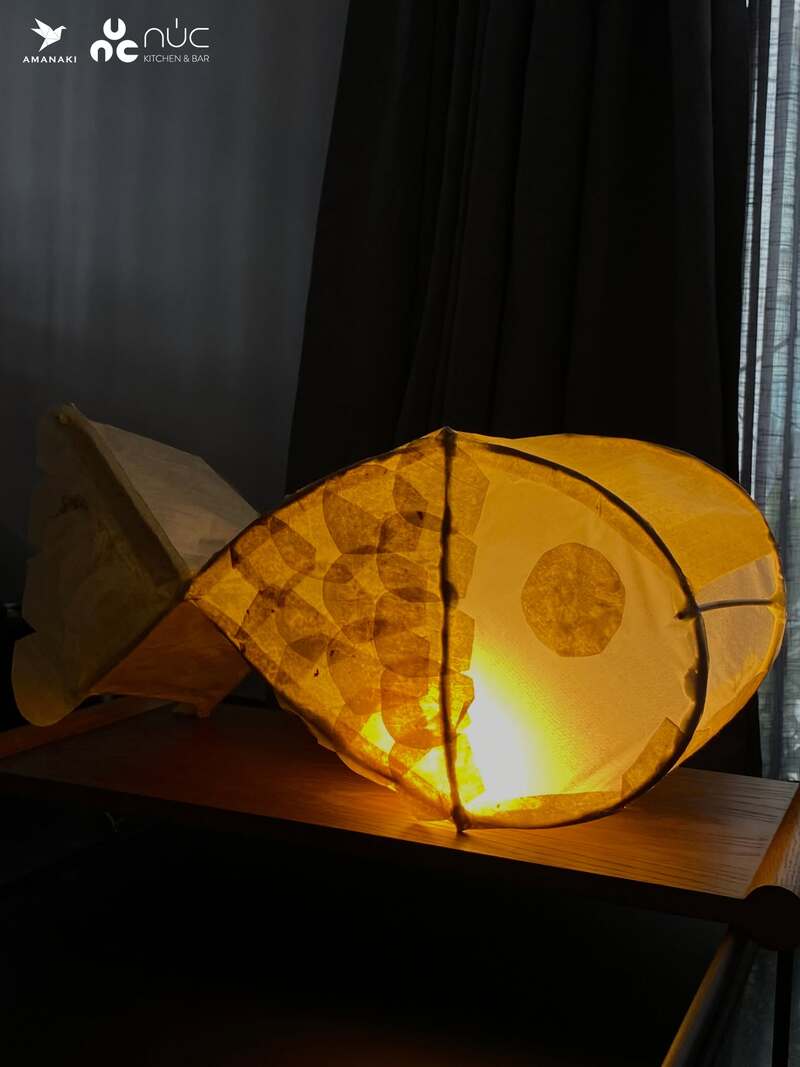
An illuminated lantern is often experienced through its light, colors, and form. But when you create a lantern with your own hands, the experience begins with the material itself.
From touching a sheet of dó paper and choosing colors to shaping the lantern and completing every detail, the maker has the opportunity to observe how an object gradually takes form through their own hands.
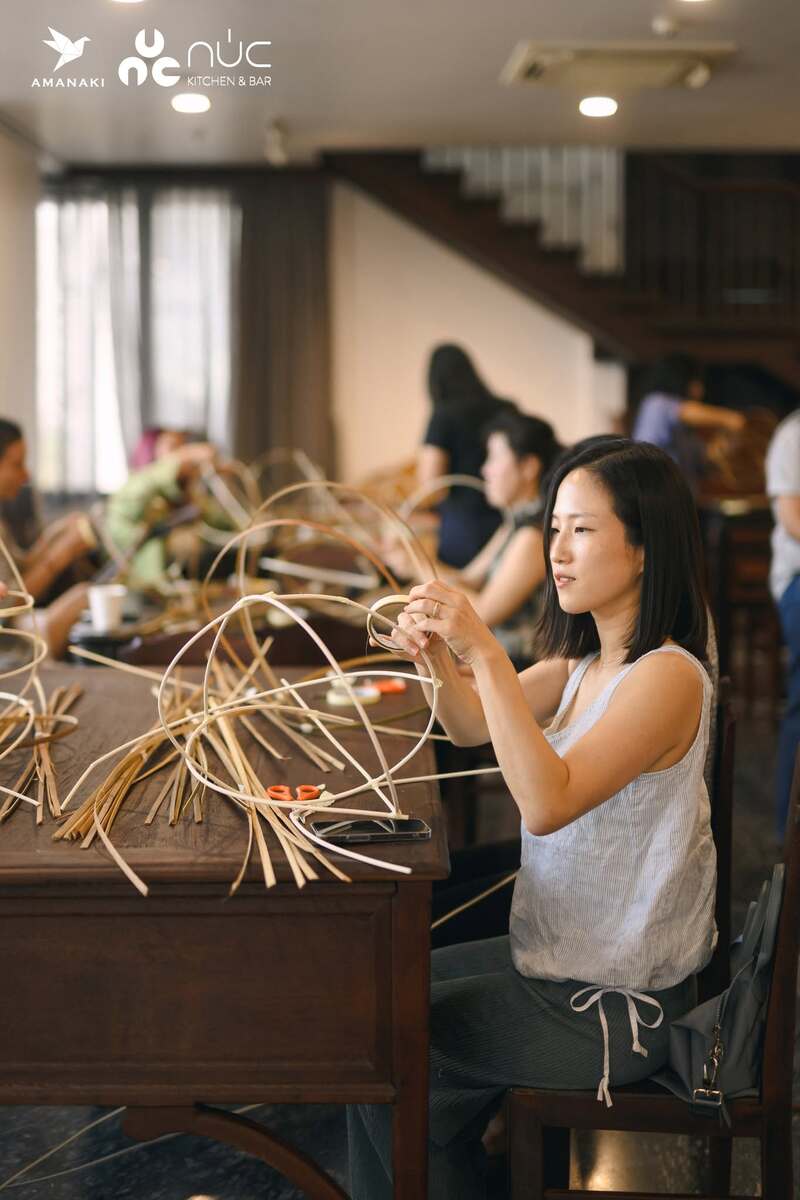
Source: Amanaki Thao Dien Facebook Fanpage
When the light is finally switched on, everything that has been created throughout the process takes on a different presence. The lantern carries the traces of its maker — from the way the paper has been handled to the small choices made during the shaping process. A Mid-Autumn keepsake thus becomes more than an object; it becomes a tangible memory, shaped by each person’s own experience.
“Dó Paper Lantern Workshop” – Bringing Mid-Autumn Light to Life
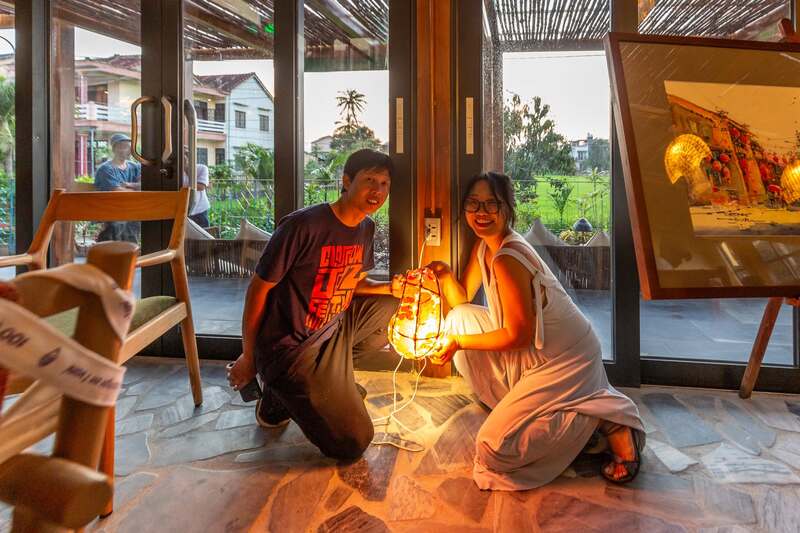
Inspired by this story, the “Dó Paper Lantern Workshop” at Anmira Hoi An offers a Mid-Autumn experience centered around dó paper and light. Participants will discover the material, shape it by hand, and create and complete a lantern of their own.
Source: Anmira Hoi An
The workshop places the creative process at its heart: touching and working with a traditional material, experimenting with shapes and colors, and finally watching the lantern come to life once it is complete. From a single sheet of dó paper, each participant takes home a lantern and a Mid-Autumn story created with their own hands.
“Dó Paper Lantern Workshop” – Details
- Time: 9:00 AM, Saturday, 19 September 2026
- Venue: LAM Kitchen – 171 Nguyen Trai Street, Hoi An Dong Ward, Da Nang City
- Workshop Facilitator: Artist Nguyễn Đức Phương (Phương Giò)
- Ticket Price: VND 800,000 per person
The ticket includes all materials and tools required for the workshop, the completed lantern to take home, as well as tea and pastries served throughout the workshop.
10% Offer: Enjoy 10% off when purchasing three or more tickets or registering before 12 September 2026.
FAQ – Frequently Asked Questions
1. When does the Dó Paper Lantern Workshop take place?
The workshop takes place at 9:00 AM on Saturday, 19 September 2026.
2. Where is the workshop held?
The workshop takes place at LAM Kitchen – 171 Nguyen Trai Street, Hoi An Dong Ward, Da Nang City.
3. How much does the workshop cost?
The workshop costs VND 800,000 per person.
The ticket includes all materials and tools required for the workshop, the completed lantern to take home, as well as tea and pastries served during the workshop.
4. What will participants do during the workshop?
Participants will create their own lantern using dó paper and a bamboo frame, following a hands-on process that includes cutting and gluing individual layers of paper, assembling the structure, and completing the final form.
5. Can I join if I have never made handicrafts before?
Yes. The workshop is designed as a hands-on experience, with guidance provided throughout the process, so participants with no previous crafting experience are welcome to join.
6. Is there an early-bird offer?
Anmira offers 10% off for guests who register before 12 September 2026 or purchase three or more tickets.
7. Can participants take their finished lantern home?
Yes. The finished lantern created by each participant is included in the ticket price and can be taken home after the workshop.
--------------------
Contact infomation:
Anmira Hội An Village of Arts & Culture
Address: 276 Cua Dai Street, Hoi An Dong Ward, Da Nang City, Vietnam
Tel: +84 235 3923 999
Email: reservations@anmiraresort.com
Website: https://anmiraresort.com/
Fanpage: https://www.facebook.com/profile.php?id=61552815789581
Map: